IBI & Basura in Spain: the reference date determines who pays
In this article
When buying or selling a property in Spain, questions often arise about municipal taxes, particularly the IBI (Impuesto sobre Bienes Inmuebles, property tax) and the basura (waste collection tax). Who is actually responsible for paying these taxes when a property changes hands?
What are IBI and basura and when do you have to pay them?
The IBI is the Spanish property tax that must be paid annually by the owner of a property, plot of land or other real estate. The amount is calculated on the basis of the valor catastral (cadastral value), which is usually lower than the market value of the property and varies from municipality to municipality. The IBI tax is collected once a year, usually between September and November.
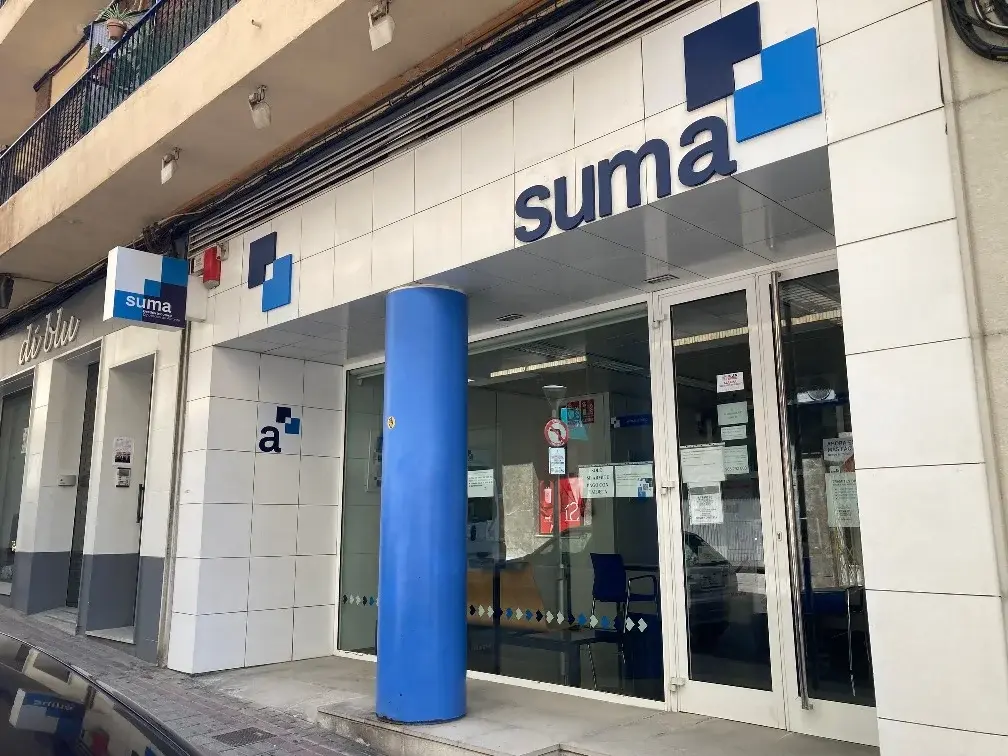
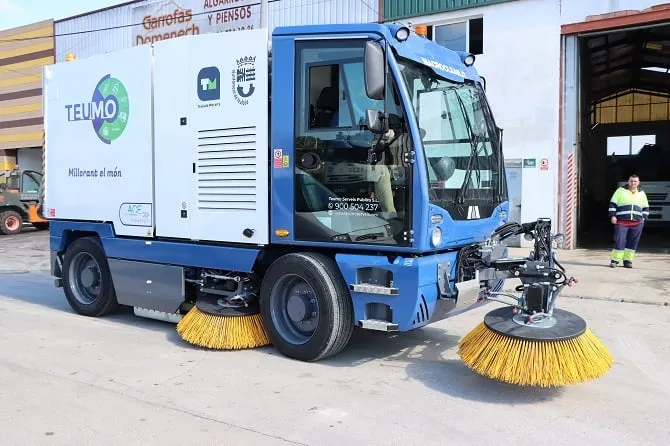
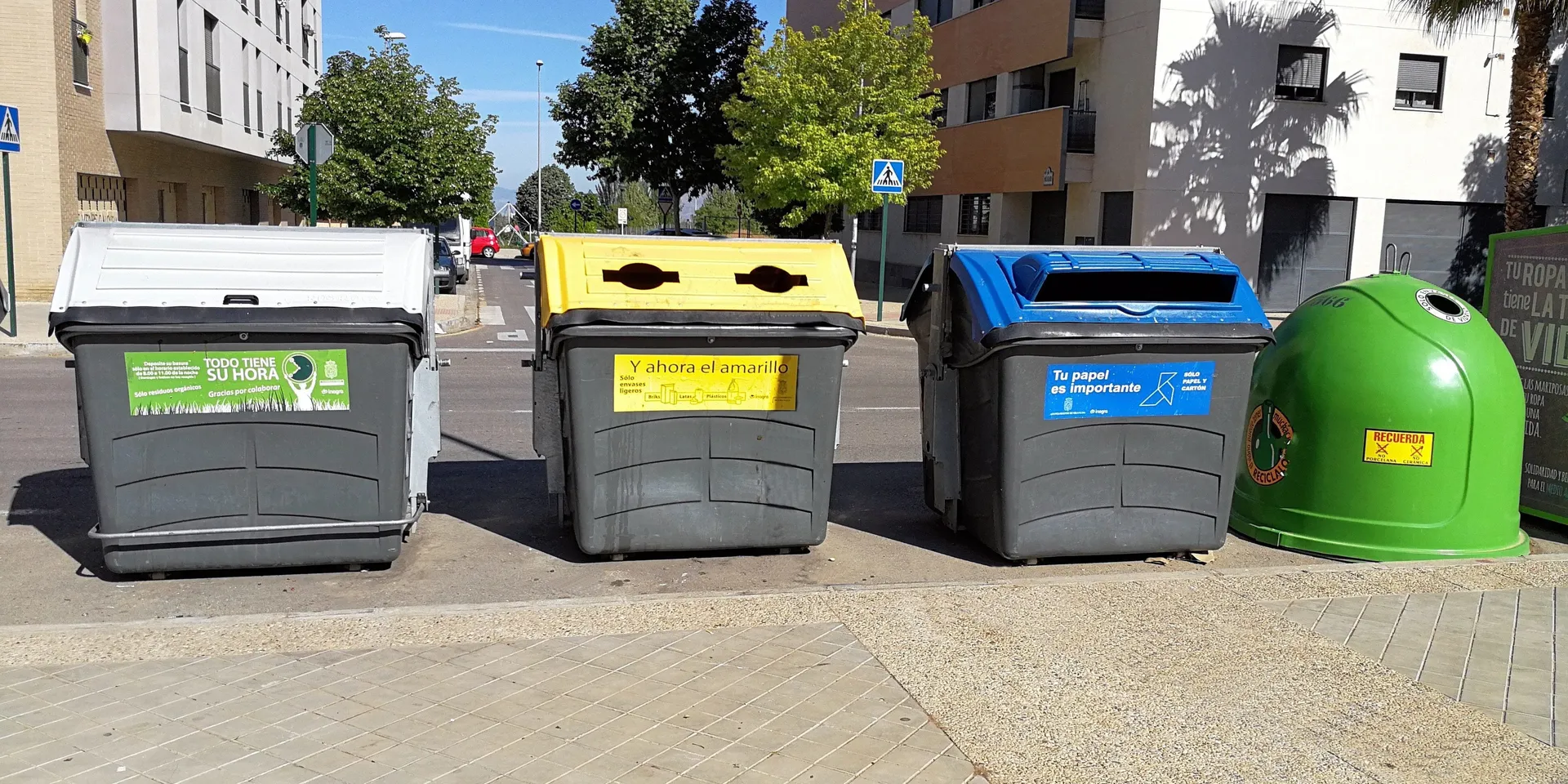
The basura is the waste collection tax that pays for the collection and processing of household waste. In the province of Alicante, this is collected once a year in most municipalities, usually in March or April. Only in some municipalities does SUMA choose to split the tax into two instalments, for example in March and September.
In certain municipalities (with their own water network), the water bill is also collected via SUMA, which means that several items can be combined in a single tax assessment.
The reference date of 1 January
For both the IBI and the basura, the reference date of 1 January is decisive. The person registered as the owner in the land registry on that date is liable for tax for the entire year. SUMA only adjusts the name once a year based on this date. For example, if a property is sold in June, the seller remains formally responsible for paying the IBI and basura for the entire year, because he or she was still registered as the owner on 1 January. This can lead to confusion for buyers who are already using the property but do not yet see a tax assessment in their name.
Settlement of costs upon sale
To regulate this, an agreement is made in advance between the buyer and seller in the deed of sale (escritura de compraventa). Often, a pro rata distribution is chosen, whereby the seller pays for the period up to the transfer and the buyer pays for the period from the transfer to the end of the year. However, the parties may also agree that the seller, or the buyer, will pay the full tax for that year. How the distribution is made depends on the mutual agreements discussed and recorded before the deed of sale is signed, even though SUMA always collects the tax for that year from the seller.
How to check whether IBI and basura have been paid?
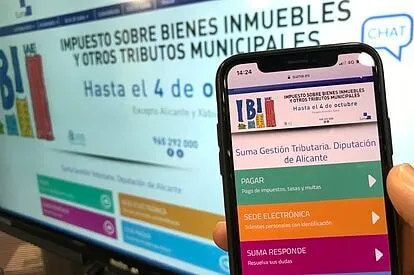
The payment of IBI and basura can be checked via the website or counter of SUMA, by means of a recent proof of payment (justificante de pago) from the seller or via the bank statements in the case of direct debit. In the case of a property transfer, the solicitor will ensure that this is checked in advance, as any outstanding debts remain attached to the property.
Practical advice
Always check what agreements are included in the deed of sale regarding the distribution of the IBI and basura and bear in mind that the name will only be changed in the following tax year. Also, find out whether your local council also collects the water bill via SUMA and note the usual collection periods:
the IBI is usually collected between September and November, while
the basura is usually collected in March or April (sometimes with a second instalment in September).
Conclusion
The IBI is the property tax, the basura is the waste collection tax and in some municipalities the water bill is also collected via SUMA. For all these charges, the owner registered in the land registry on 1 January is the official taxpayer for the entire year. In the event of a sale in the middle of the year, the seller pays the tax, but this tax is usually settled pro rata with the buyer via the deed of sale (with some exceptions).
Tags

Related Posts
 Finance & Taxes
Cl@ve and the digital certificate: what are they and what is the difference between them?
Anyone who lives, works, invests or owns property in Spain increasingly has to deal with digital government services. Taxes, social security and many administrative procedures are now handled almost entirely online. In all these cases, you need some form of digital identification or electronic signature.
 Finance & Taxes
Everything You Need to Know About the Change in Spanish Transfer Tax Starting Jan '22
Until the end of 2021, the purchase of existing property in Spain was subject to 10% registration (notarial transfer tax) or ITP. As of 1 January 2022, there will be a change in the calculation of transfer taxes. The cadastral reference values will now also be taken into account. We have summarised the new rules for you below:
 Finance & Taxes
Wealth tax for non-residents in Spain: what you need to know
Do you have assets in Spain but do not live there permanently? Then it is important to know how Spanish wealth tax works for non-residents. In this blog, we explain clearly when you have to pay tax, what exactly is taxed and what exemptions there are.