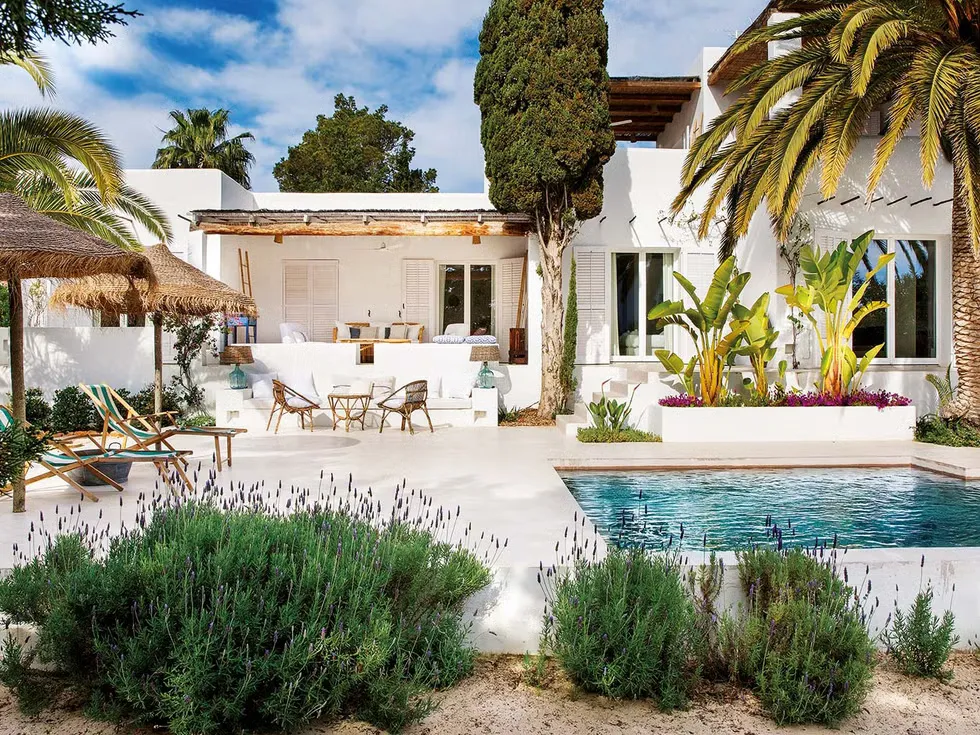
Inspiration guide for creating a Mediterranean garden in Spain
In this article
Spain is the ideal country for those who love the outdoors. The Mediterranean climate with lots of sun, high temperatures and long periods without rain offers numerous possibilities to get the most out of your garden and terrace. In contrast to Northern Europe (such as the Netherlands and Belgium), where the climate is often more moderate and changeable, Spain has specific challenges that influence your garden design. Holiday homes in particular, where the garden is often an extension of the house, require a well-considered approach. How do you design your garden so that you can optimally enjoy the outdoors without the maintenance taking up too much of your time? This blog offers inspiration and tips for designing your garden in Spain, taking the climate into account.
Choose drought-resistant plants
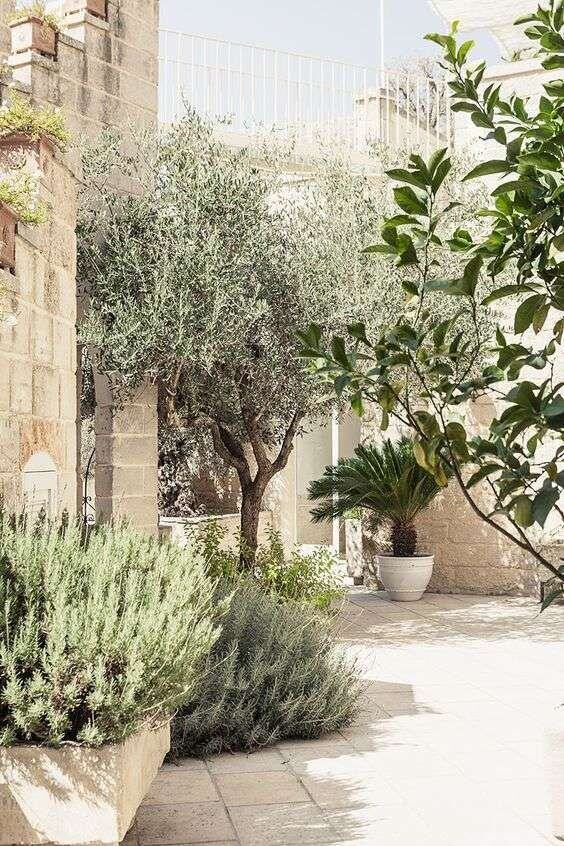
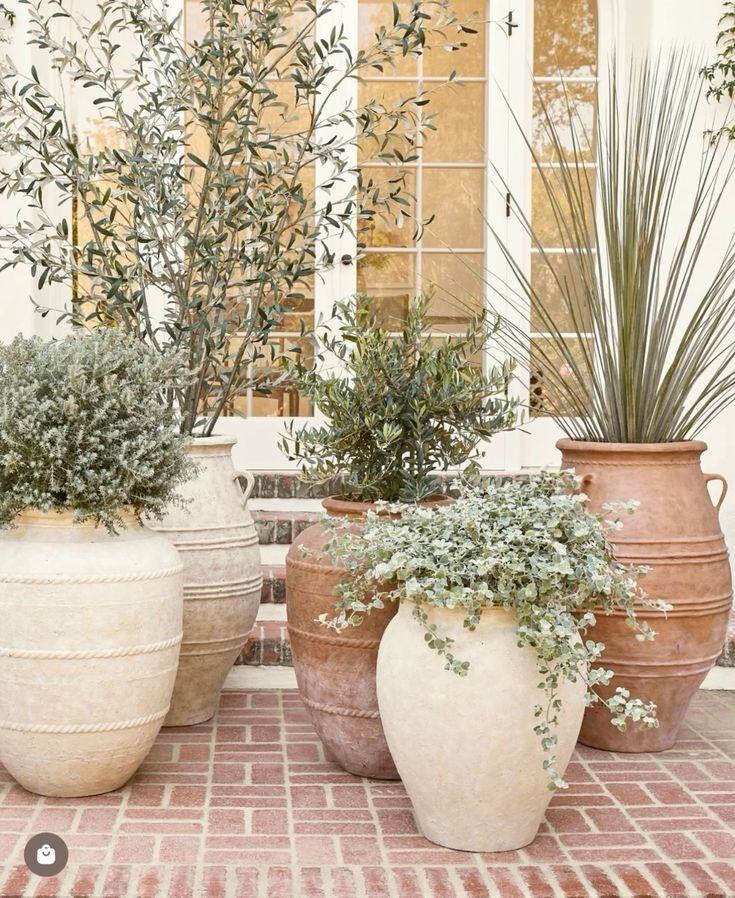
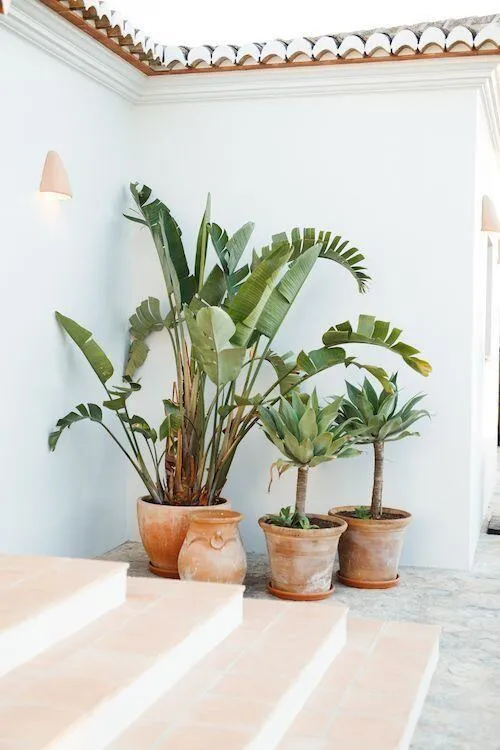
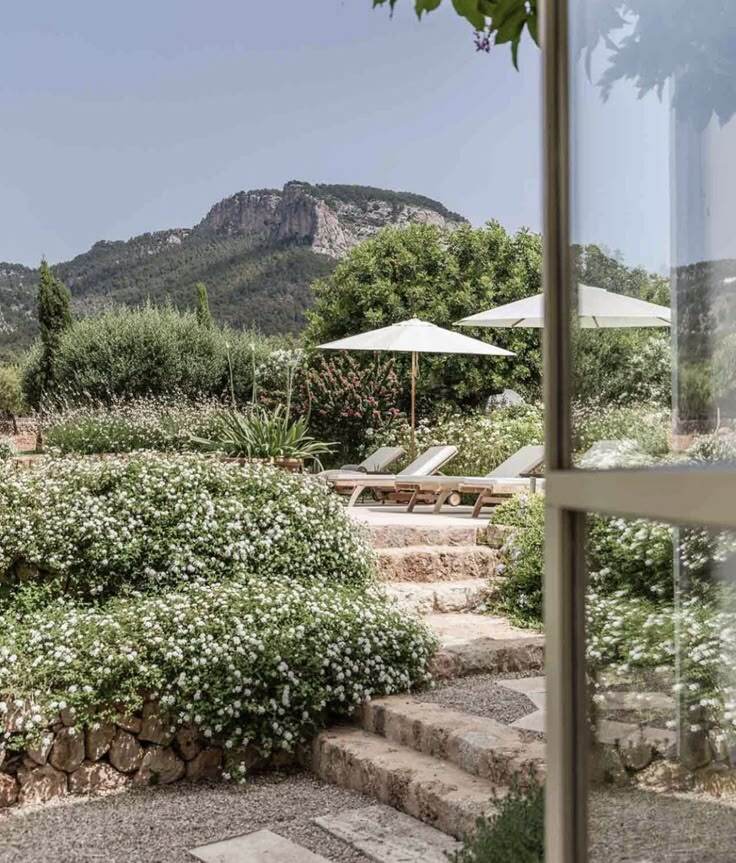
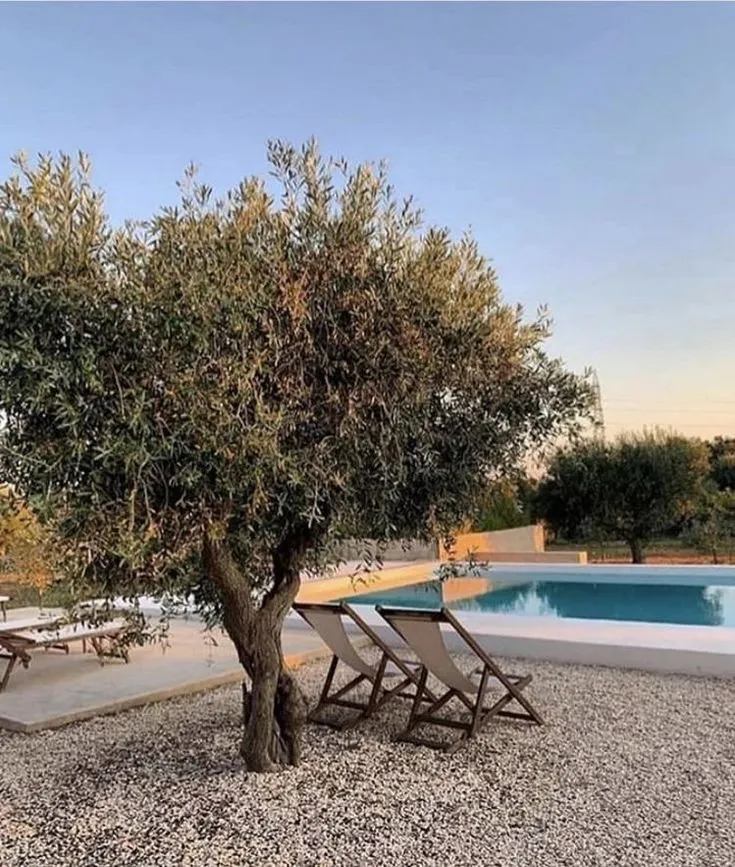
Spain is often dry and warm, especially in summer. This calls for plants that can withstand extreme heat and drought. Choose Mediterranean plants that thrive in these conditions, such as lavender, rosemary, olive trees, agave, bougainvillea and cacti. These plants require little water and are perfect for the Spanish climate. They also add colour and fragrance to your garden, making outdoor living even more enjoyable.
Unlike the garden in Northern Europe, where the rainy climate often keeps plants alive throughout the year, in Spain you have to think about choosing plants that can withstand periods of drought. Place plants strategically: large, shade-giving plants can offer protection to smaller, more vulnerable plants. Be aware that fruit trees generally require regular watering, even orange trees.
Use of terraces and shady areas
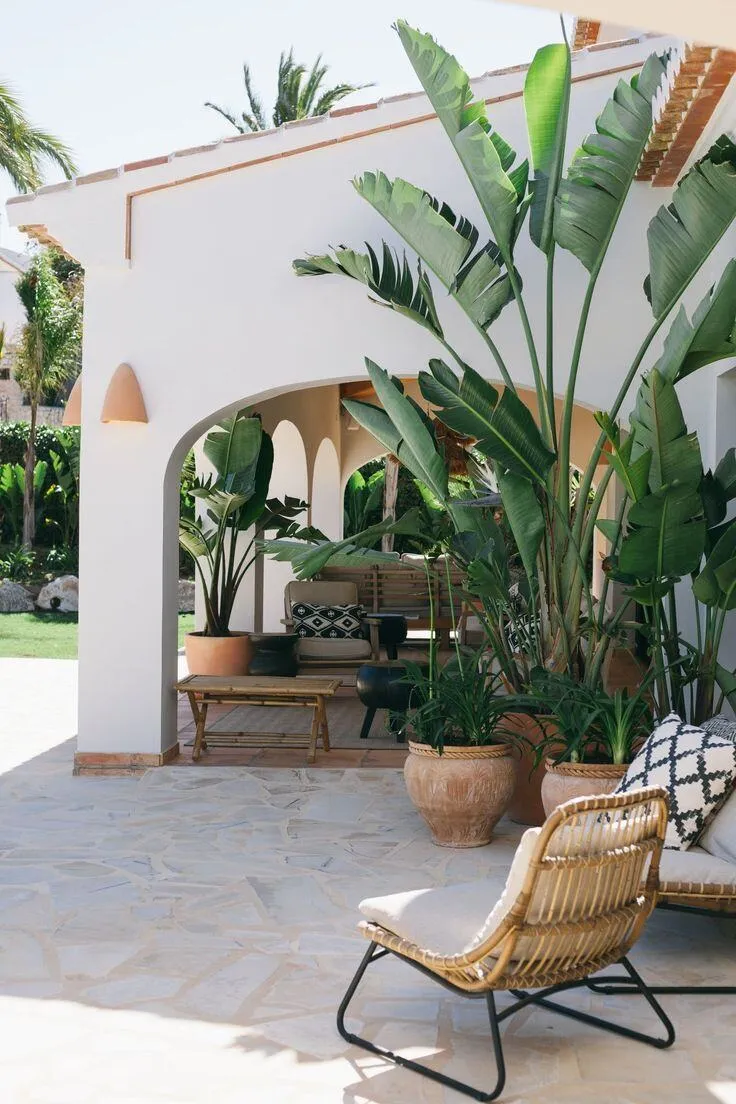
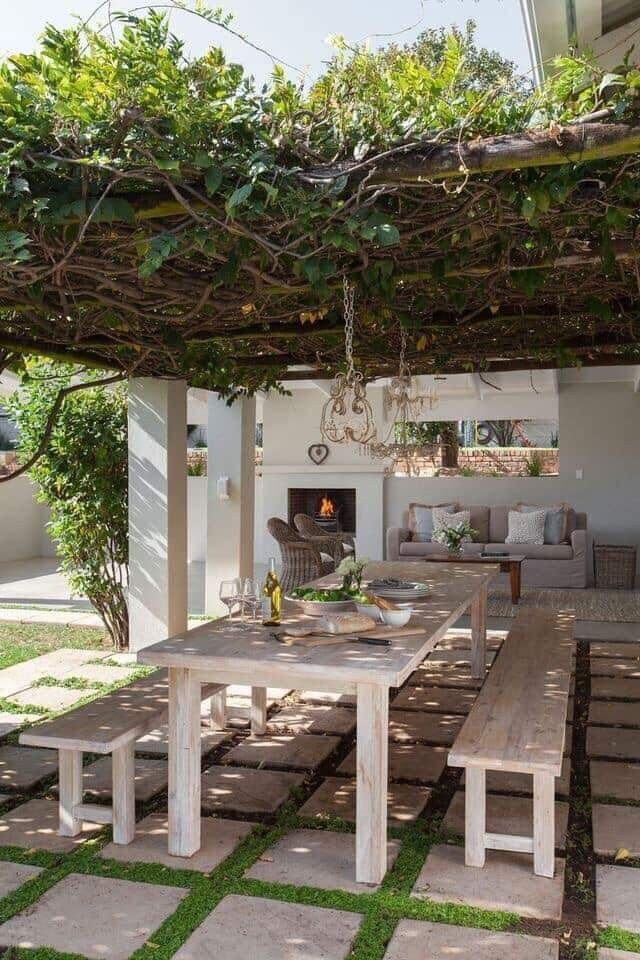
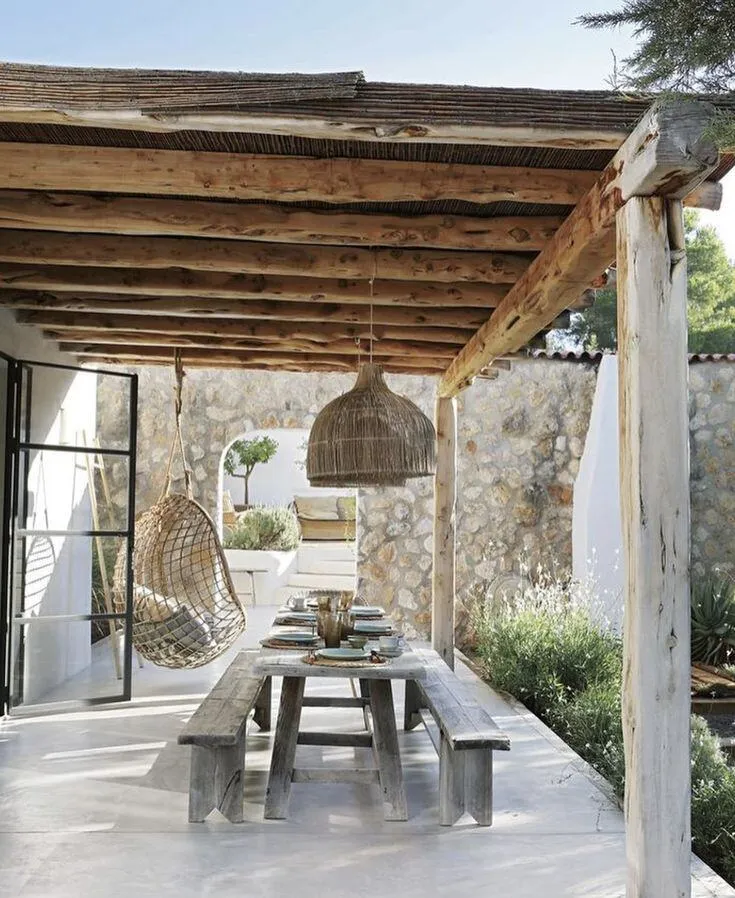
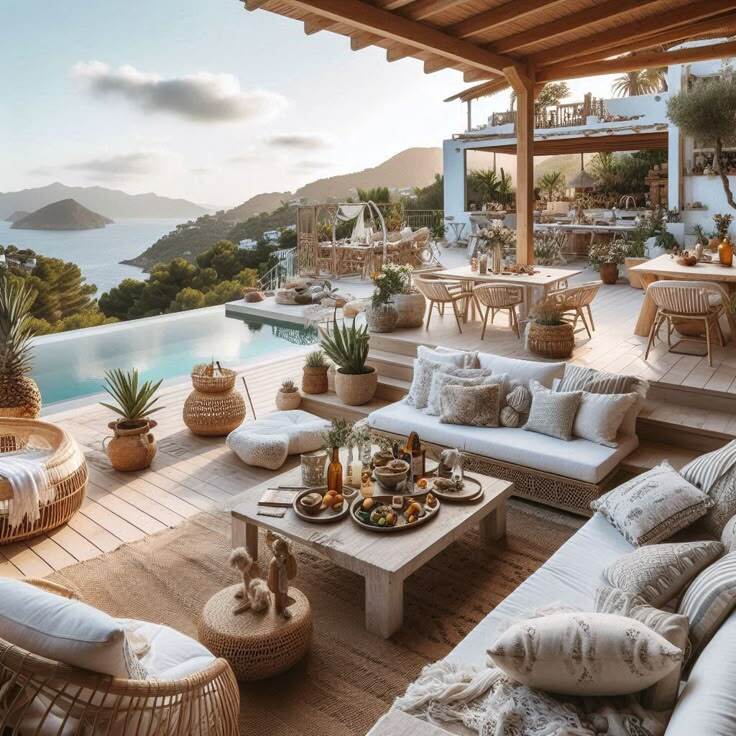
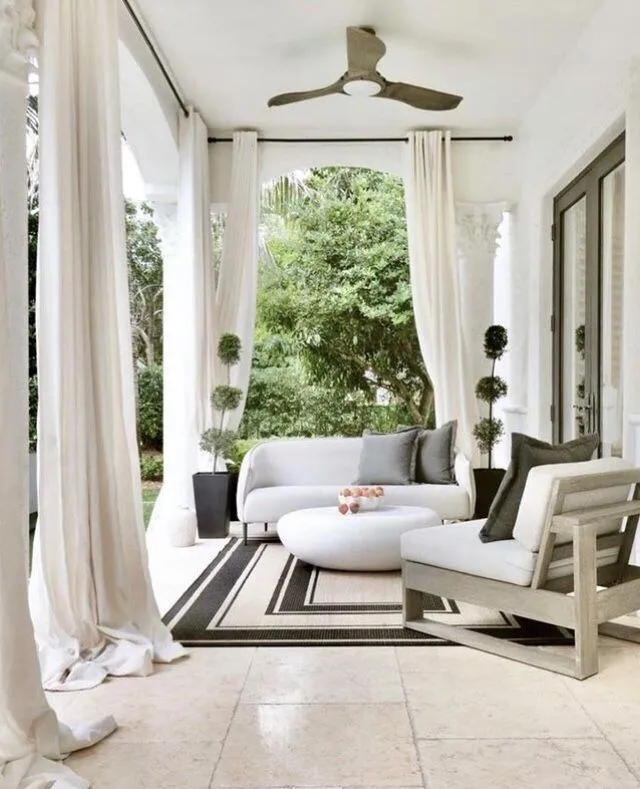
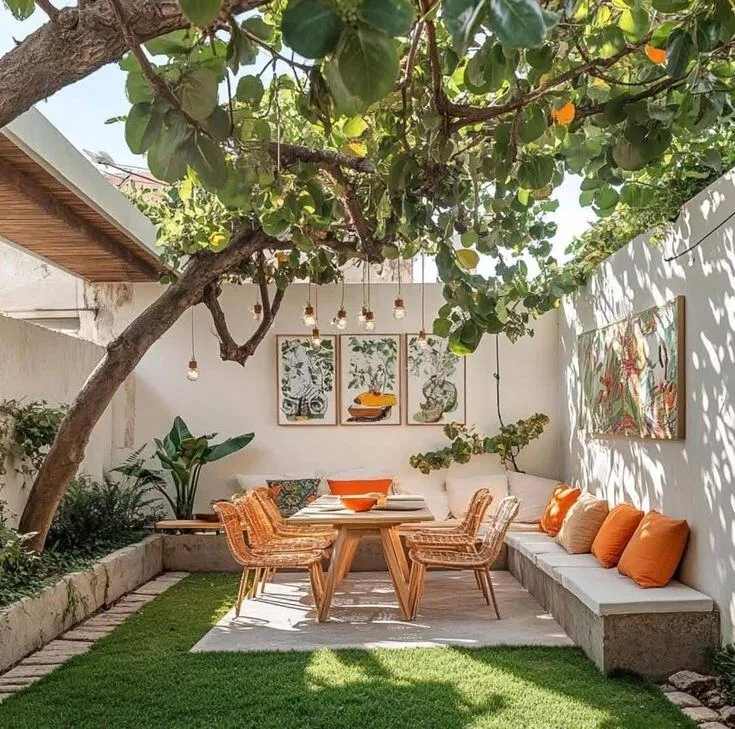
Your terrace is an extension of your living room, especially during the warm summer months. An important aspect of the design is shade, to soften the heat and provide comfort. Consider shade cloths, pergolas or a covered terrace with an open roof. Climbing plants such as grapes, wisteria or passion flowers can provide extra shade and create a pleasant atmosphere. And how about a hammock under the olive trees.
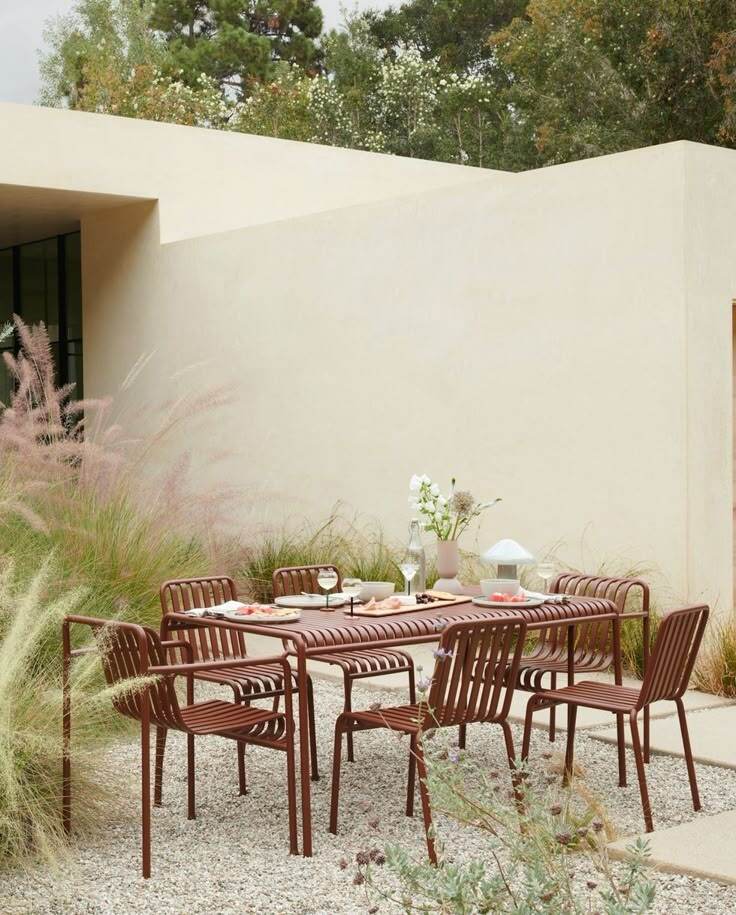
It is also useful to have a mix of seating options. Think of lounge sets, comfortable chairs and even an outdoor dining table so you can eat outside with family and friends. Choose furniture that is resistant to the sun and heat, such as rattan or aluminium, and invest in cushions and canopies that are UV resistant.
Water-saving garden
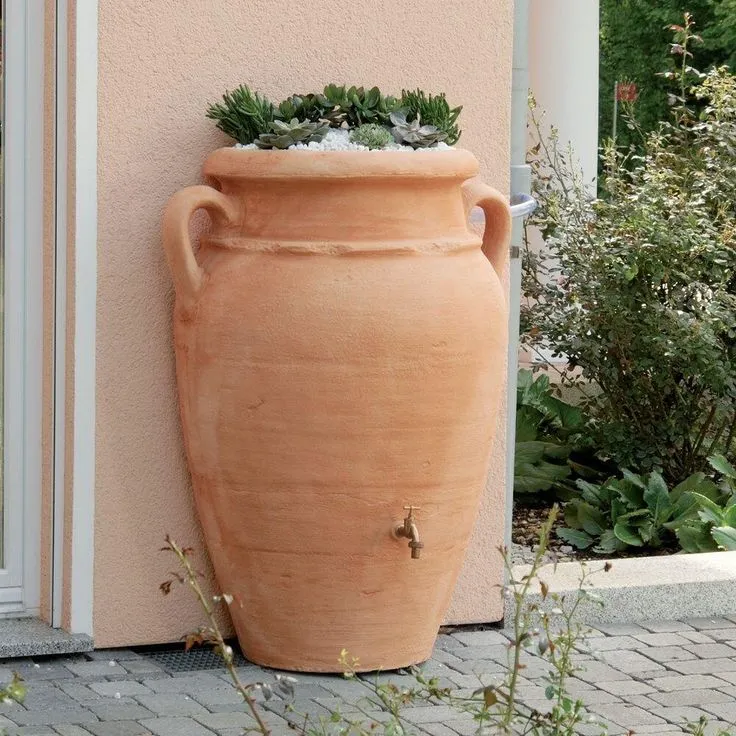
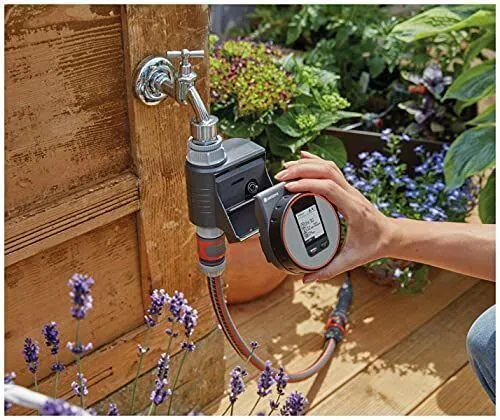
Water is often scarce in Spain, especially in the south. That is why it is important to design a garden that requires little water. Choose efficient irrigation, such as drip irrigation, which brings water directly to the roots of the plants and minimises evaporation. Avoid using sprinklers that waste a lot of water, and consider a rainwater collection system to reuse the water you do have.
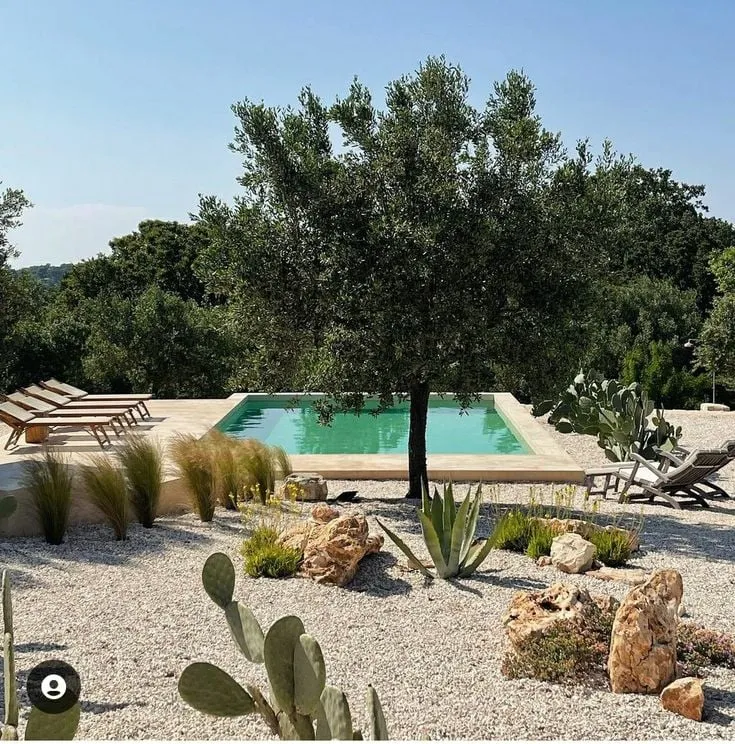
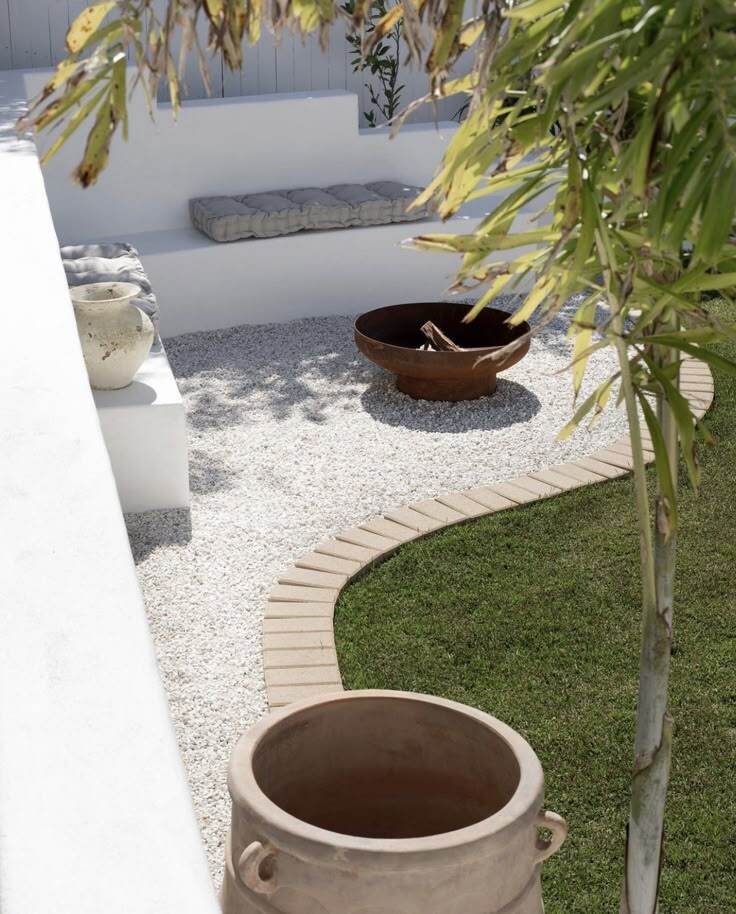
Also consider a dry garden, where you design your garden with a mix of rocks, gravel and drought-resistant plants. These gardens require less maintenance, are sustainable and fit perfectly into the Spanish landscape.
Create an outdoor kitchen or barbecue area
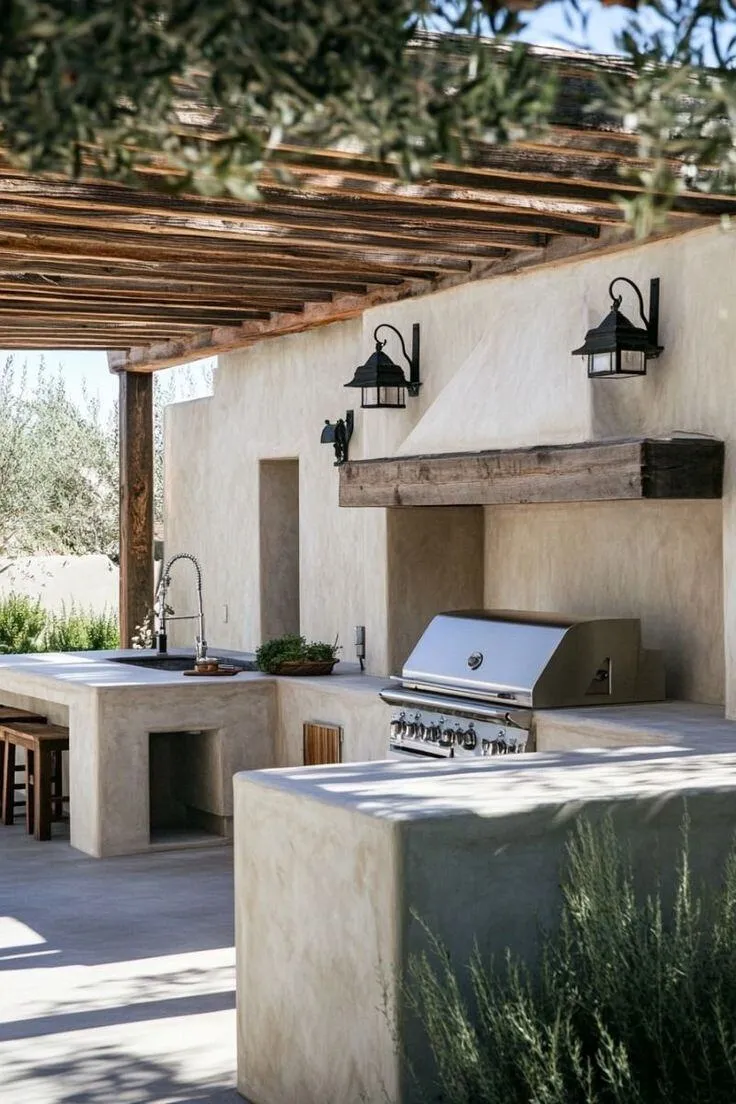
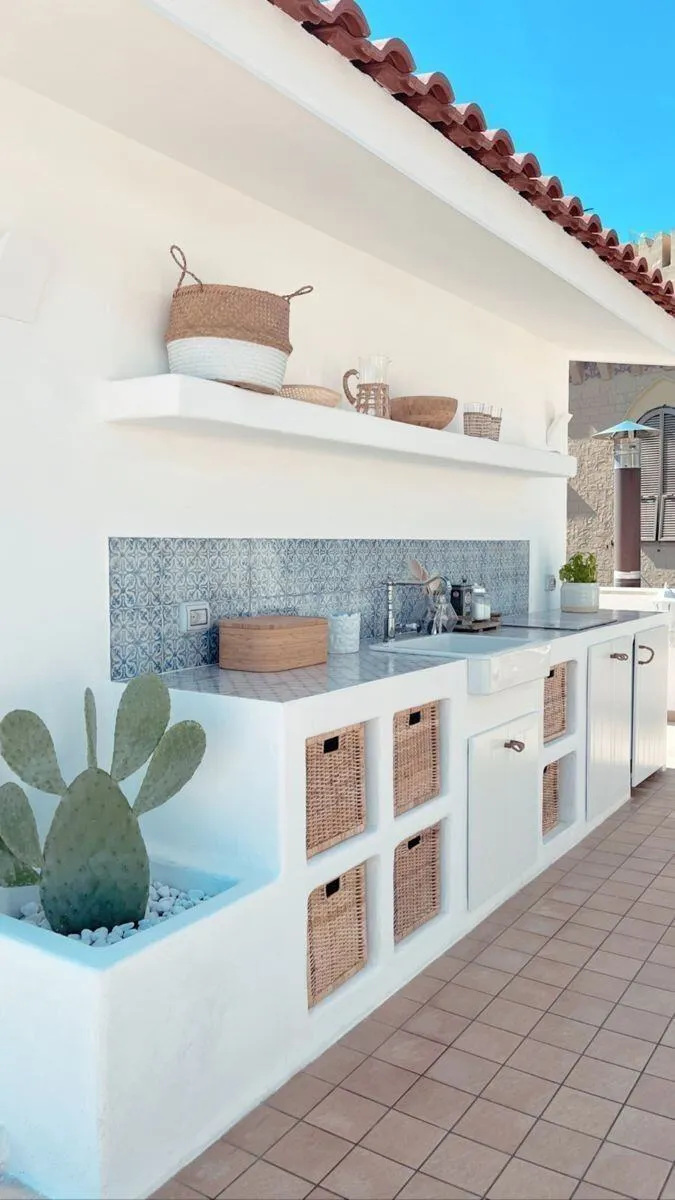
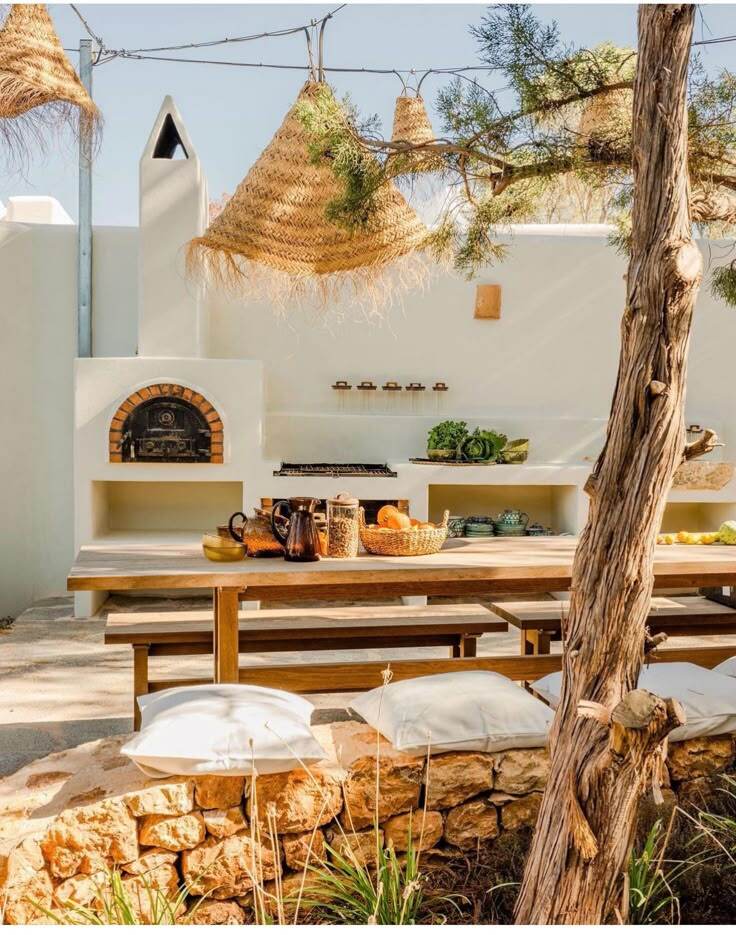
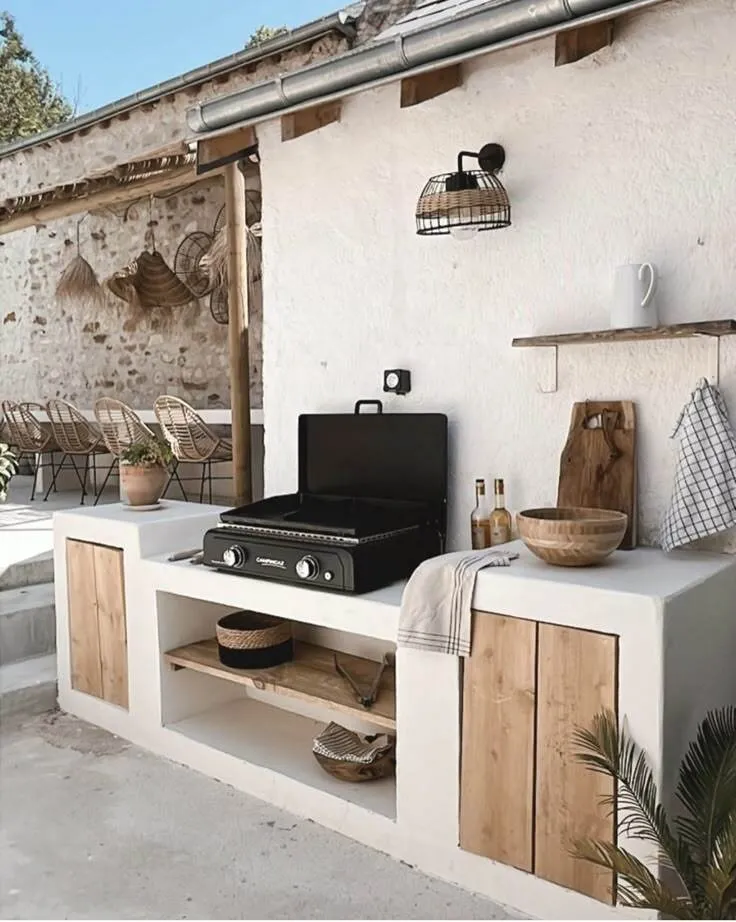
In Spain, outdoor living is not just about the garden itself, but also about eating and drinking in the open air. An outdoor kitchen or barbecue is a great way to fully embrace the Spanish way of life. Create a cosy corner for cooking, with a built-in (gas) barbecue, an outdoor oven or a small kitchen with a bar. This not only creates an inviting space for meals, but also makes your garden practical and cosy for the whole family or for guests.
Light and atmosphere
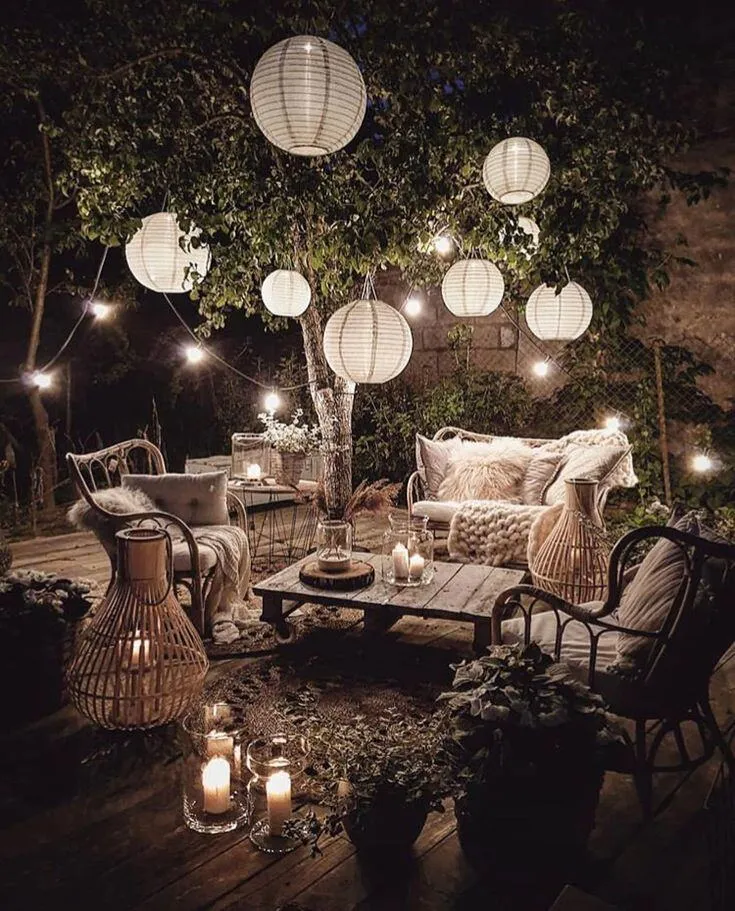
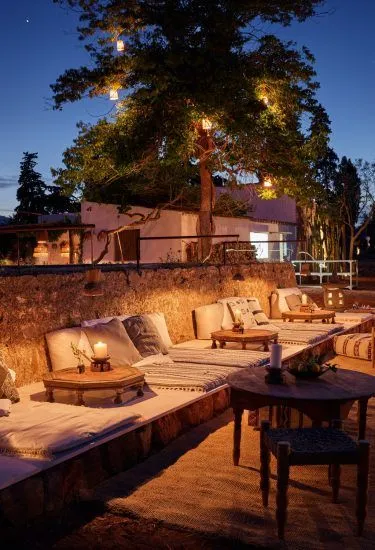
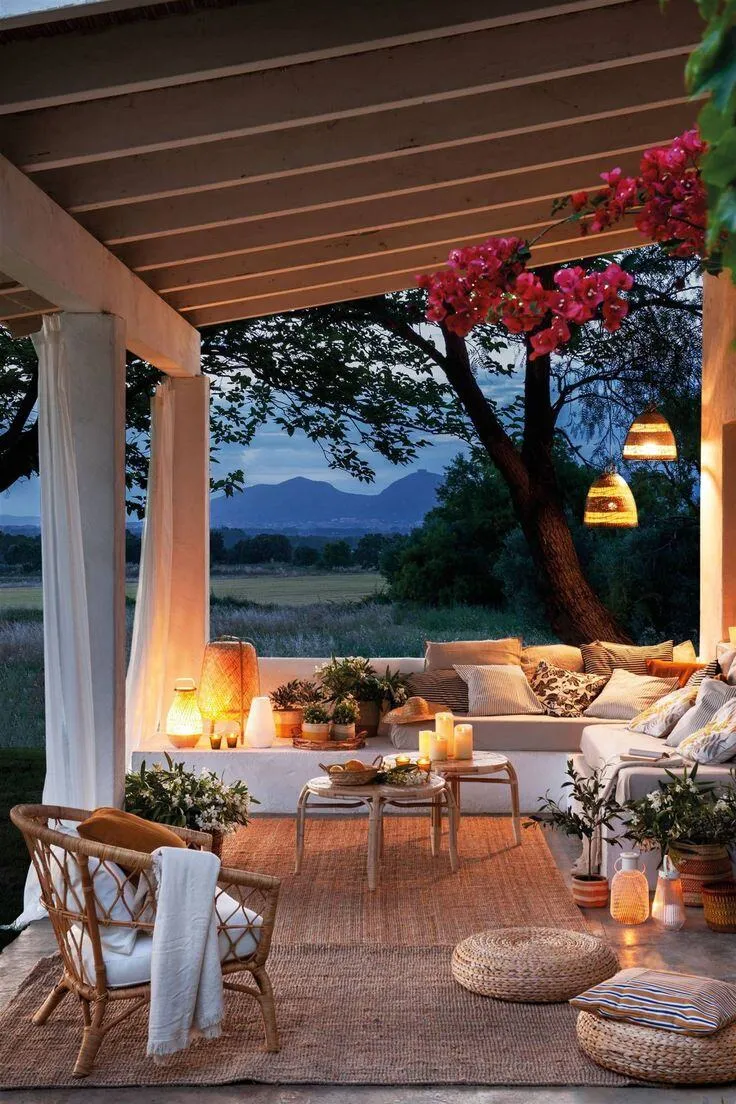
The long evenings in Spain can turn a garden into an enchanting place, but the right lighting is essential. Use garden lighting that creates the right atmosphere and ensures that your garden is functional even after sunset. Lanterns, atmospheric string lights and solar lighting can transform the garden into a magical place. Add some candles or lamps on your terrace for extra cosiness.
In Spain you don't just want to enjoy your garden during the day, but also in the evening, when the temperatures are pleasant again. Light helps with this, and it also provides an extra layer of security and atmosphere.
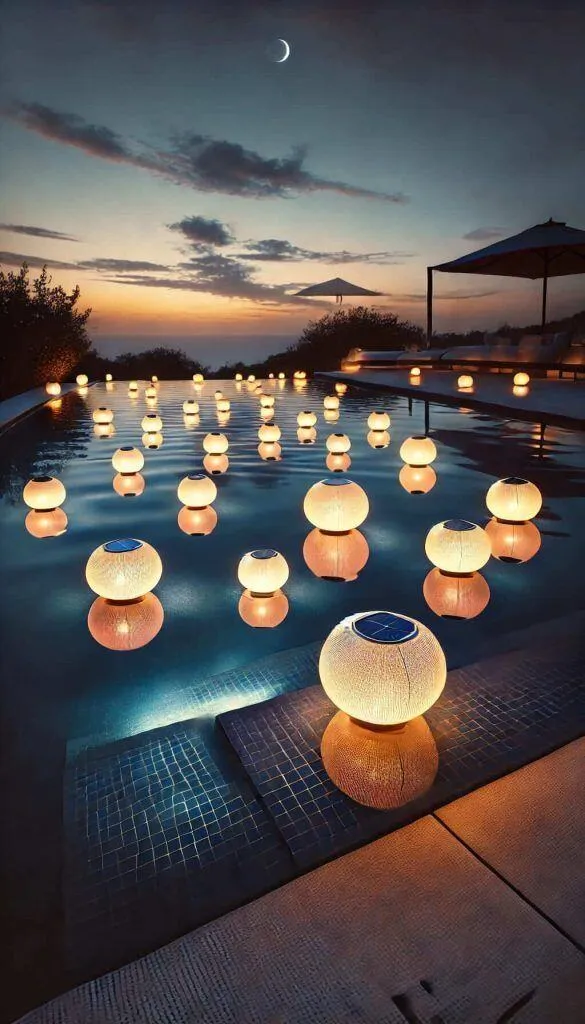
Swimming pool, plunge pool or water features
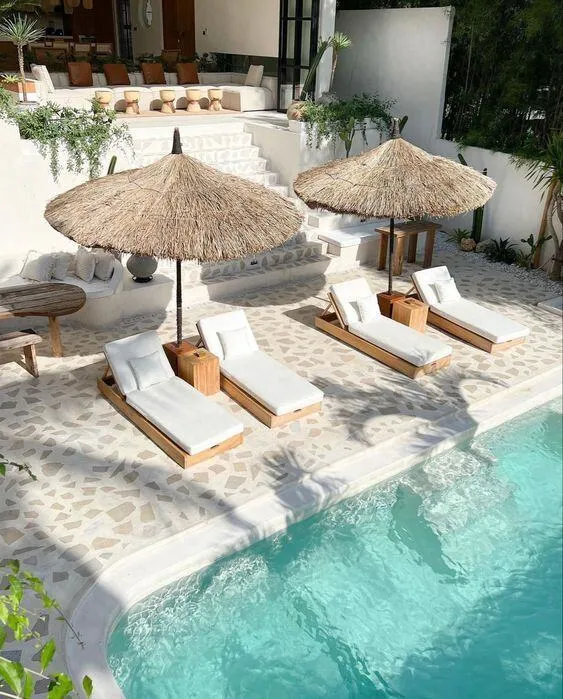
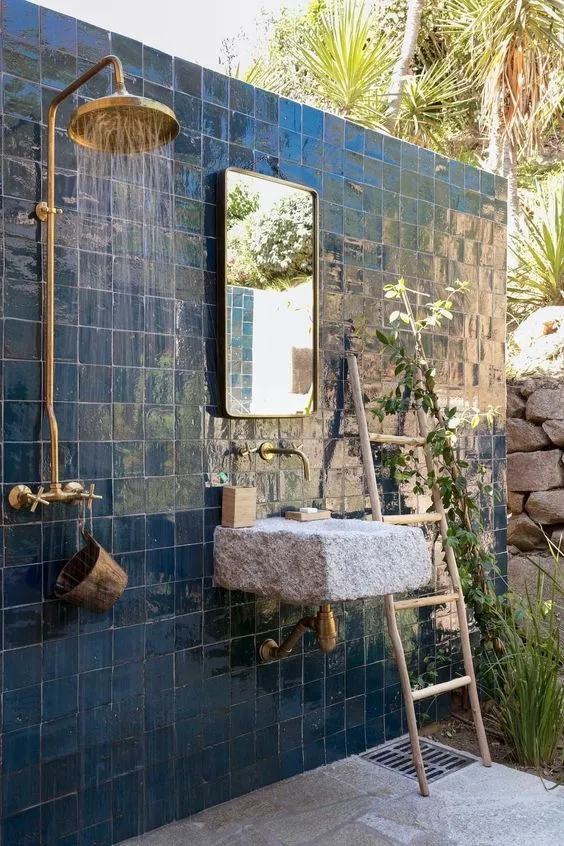
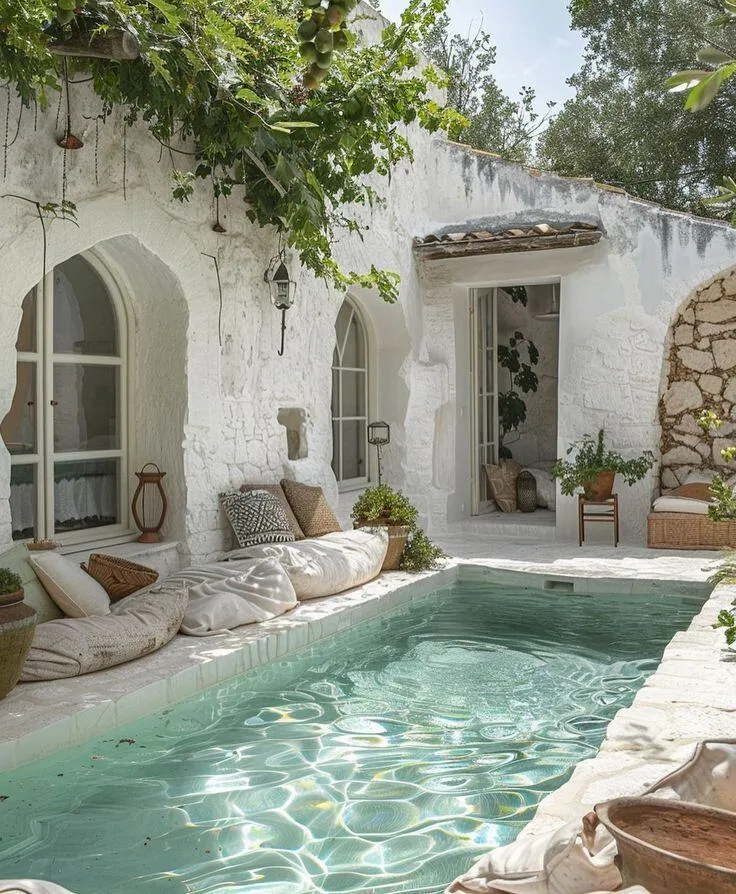
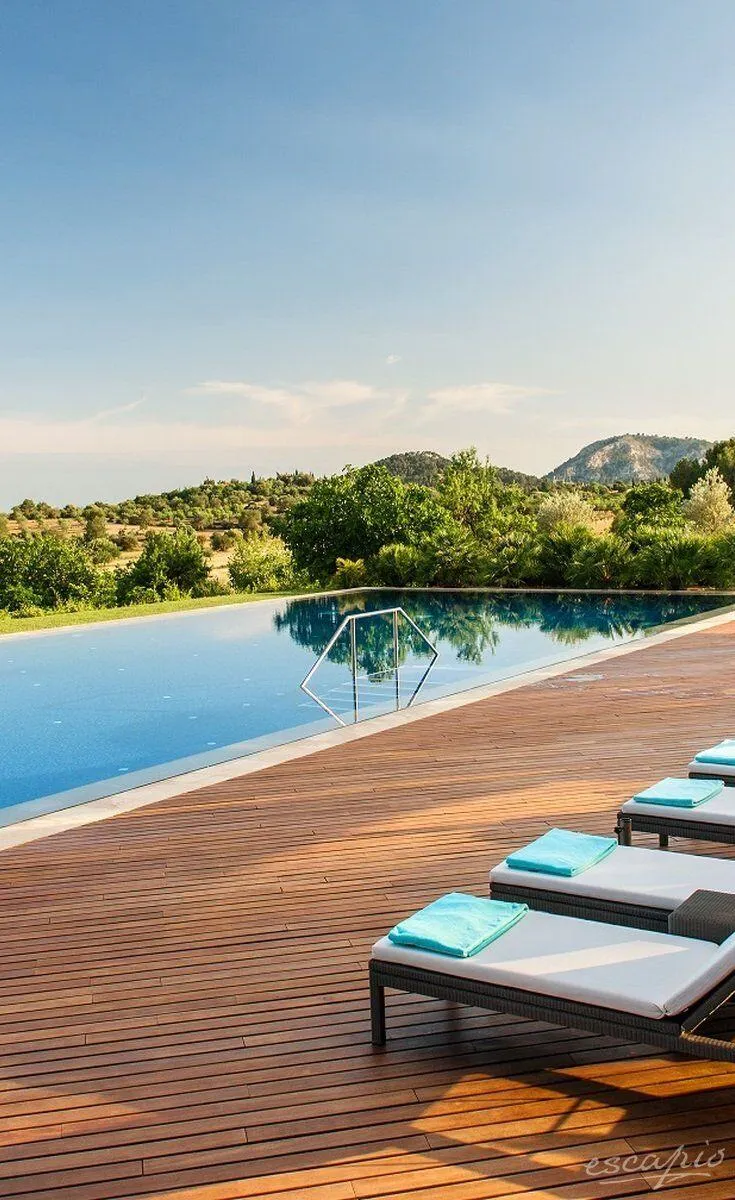
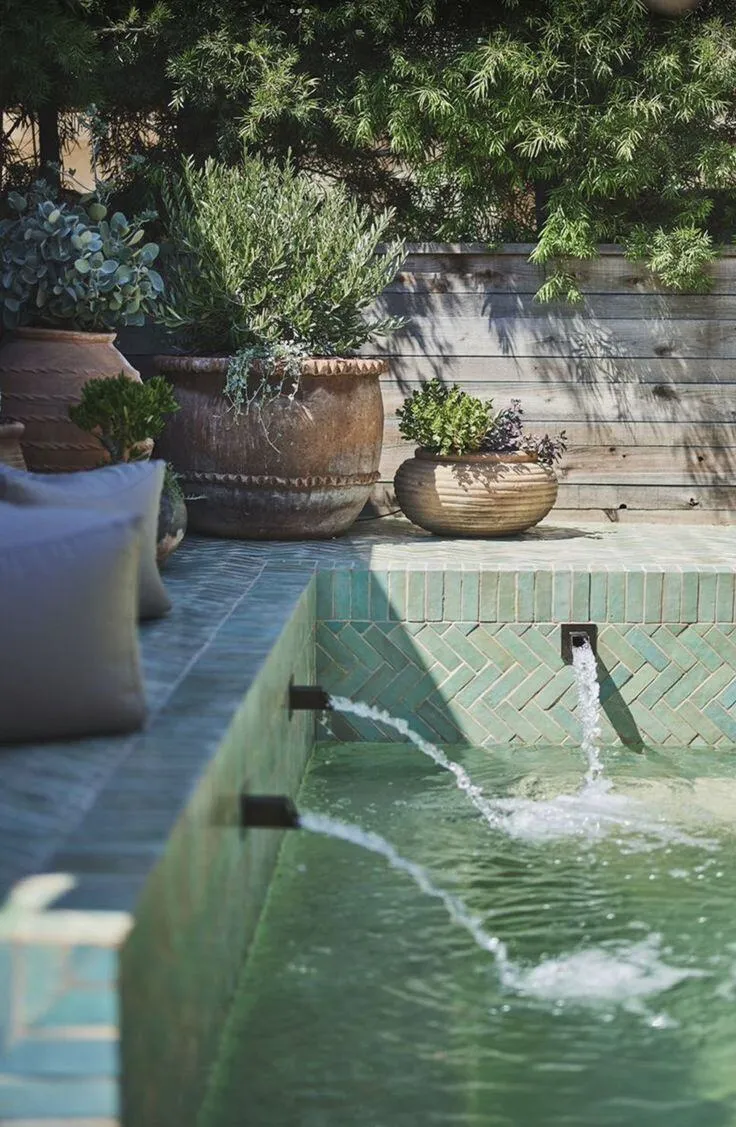
With the intense Spanish heat, a swimming pool in the garden is a great luxury. This is a valuable addition, especially in holiday homes, as it not only offers cooling, but also contributes to relaxation and enjoyment. If a swimming pool is not an option, consider a smaller water feature such as a pond, fountains or a mini water garden. This will add tranquillity and a refreshing sound to the garden and create a natural look. A nice outdoor shower can also provide the necessary refreshment on a hot summer's day.
Solutions for mosquitoes
In Spain, mosquitoes can be a nuisance during the warmer months, especially if you spend a lot of time outside. Fortunately, there are several effective solutions to keep mosquitoes out of your garden and off your patio.
Plants such as citronella, lavender, peppermint and basil naturally have a scent that repels mosquitoes and can easily be placed in your garden or on your patio.
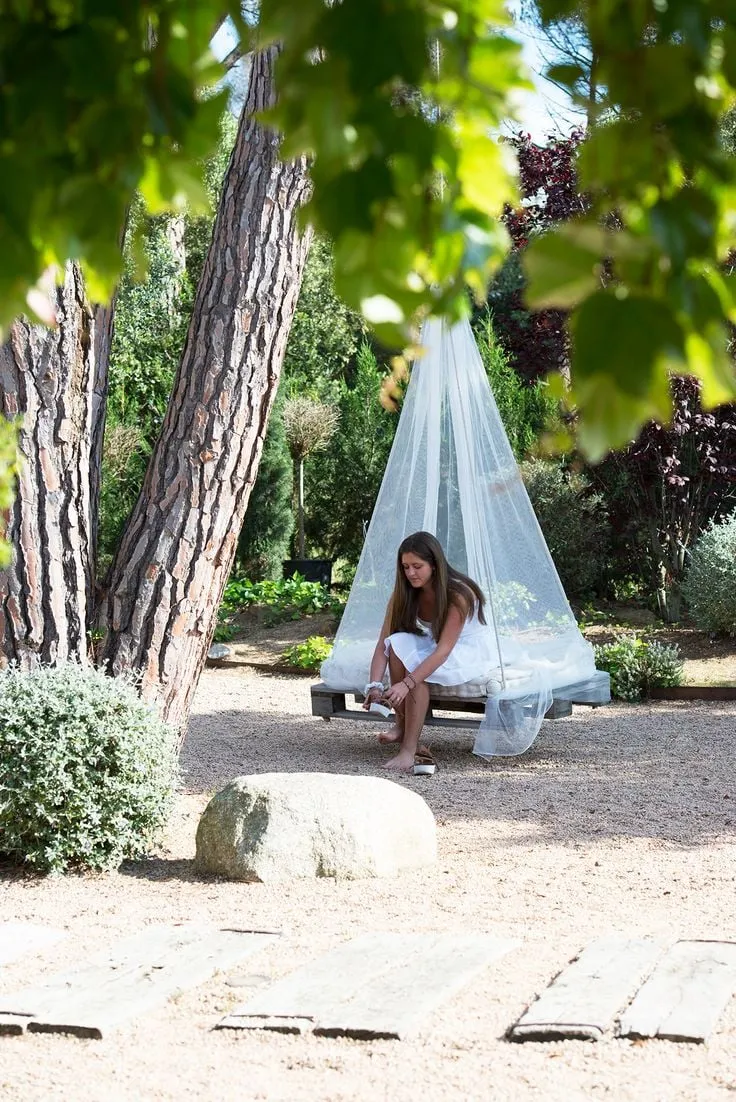
You can also hang curtains or a mosquito net around your pergola for the evenings.
Hanging or placing fans to create an air flow
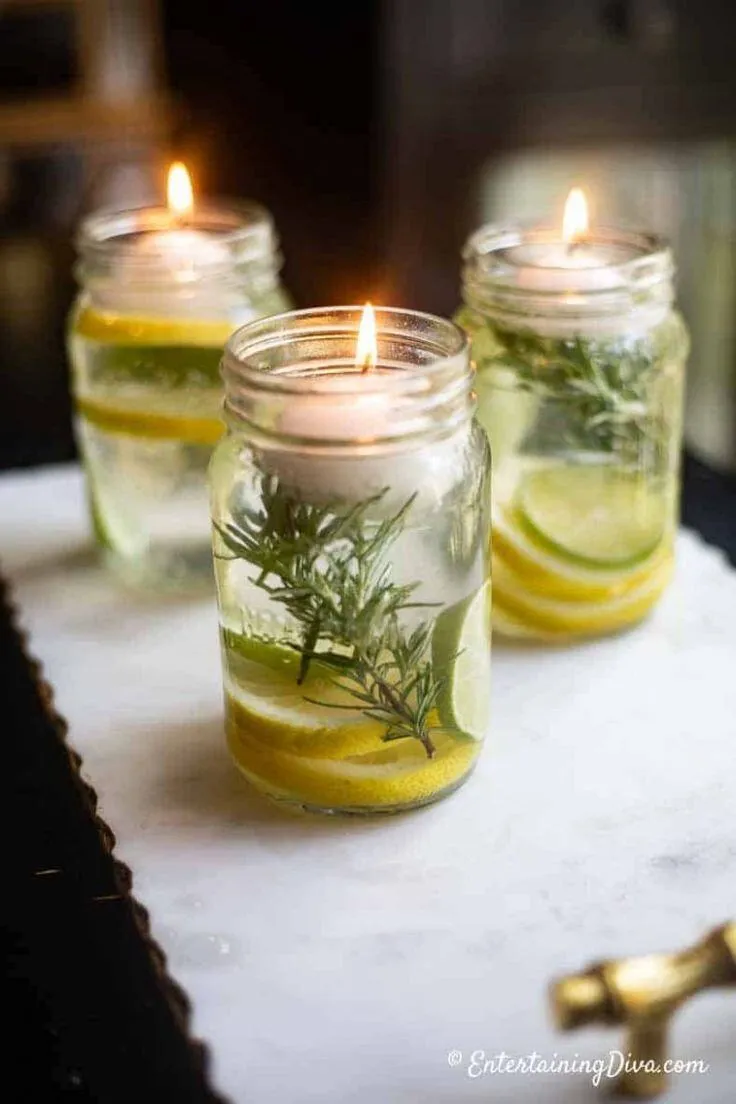
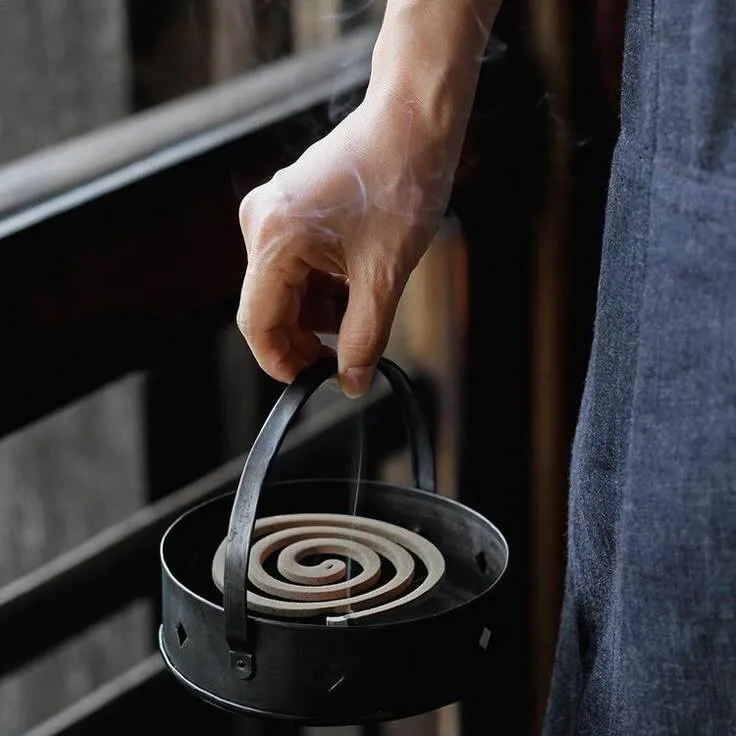
In addition, there are various mosquito-repellent products available, such as scented candles or oils (e.g. citronella oil) that you can use to keep mosquitoes at bay.
Also make sure that you do not have any standing water in your garden, as this forms the ideal breeding ground for mosquitoes. Regular maintenance of ponds, fountains or bird baths can also help to keep the mosquitoes away. With these practical measures you can enjoy your garden without being bitten, even during the warm summer evenings.
Concrete and hard materials
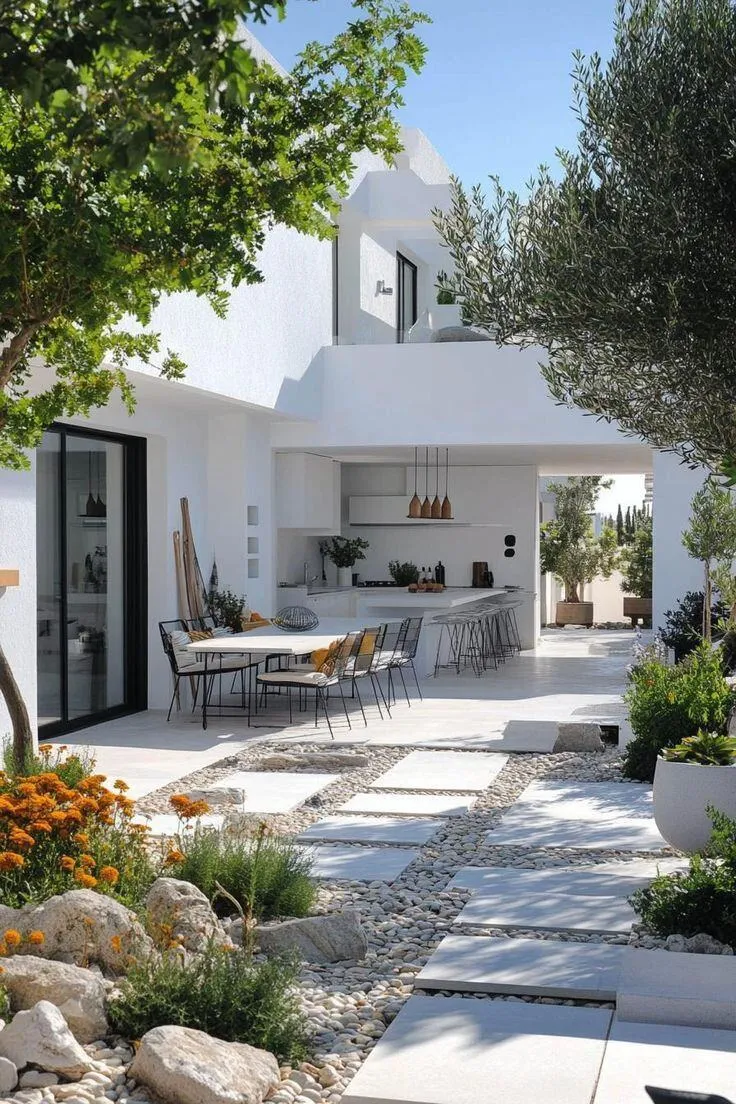
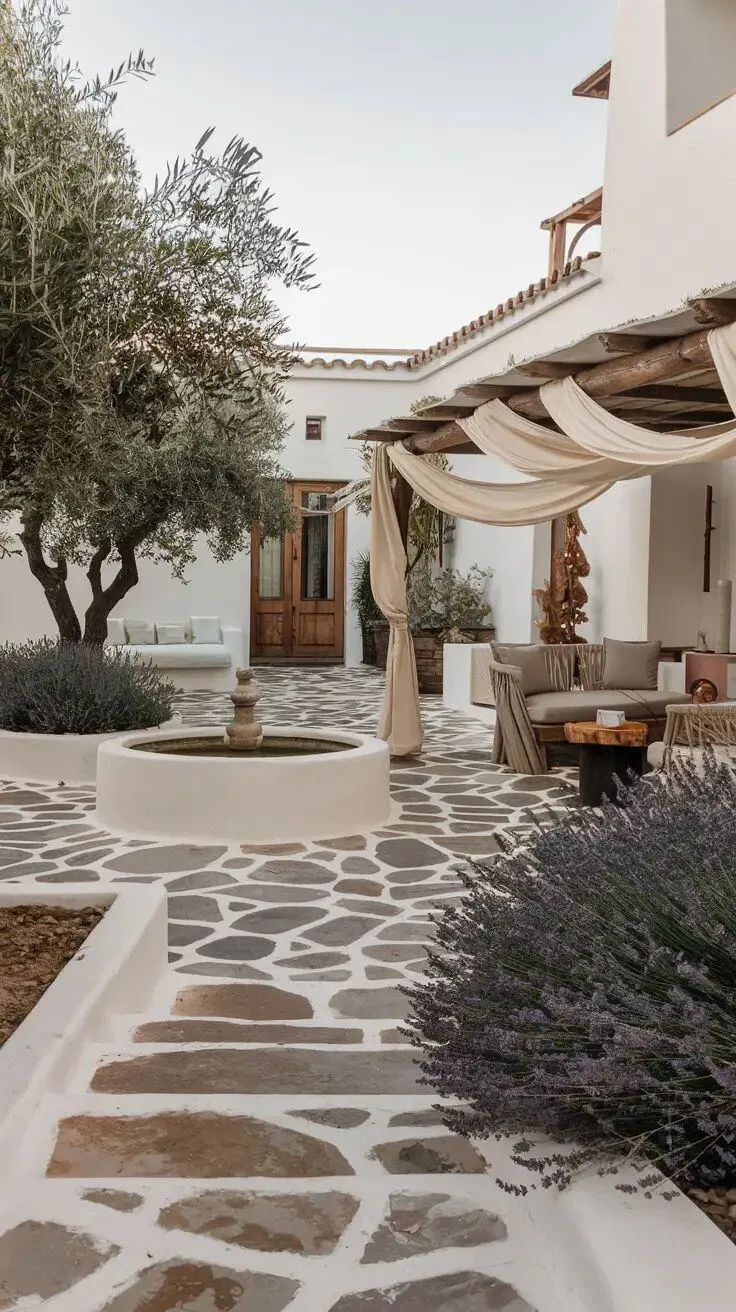
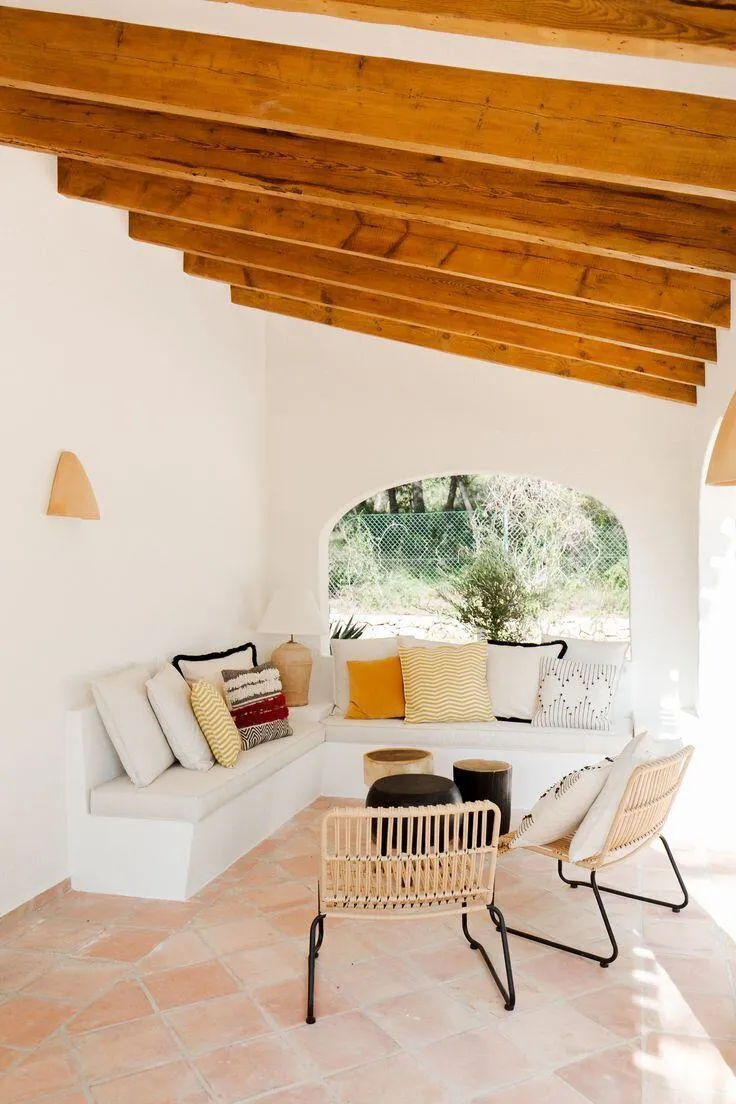
In Spain, hard materials such as natural stone, tiles and concrete are popular for both paths and patio floors. Gravel and pebbles are also widely used. They are not only practical because they are resistant to heat and drought, but they also contribute to the Mediterranean feeling. Choose materials that stay cool in the sun, such as terracotta tiles or natural stone, which give your garden an authentic look.
Sustainable and low maintenance
In Spain, sustainability and ease of maintenance are important, especially when it comes to holiday homes that are often not occupied all year round. What are your options?
Choose materials and furniture that are resistant to the sun and require little maintenance.
Artificial grass, for example, is a handy alternative to a lawn that is difficult to maintain in dry areas. It looks green without having to water or mow it regularly. The latest generation is sometimes indistinguishable from real grass.
Choose garden furniture that can be left outside all year round.
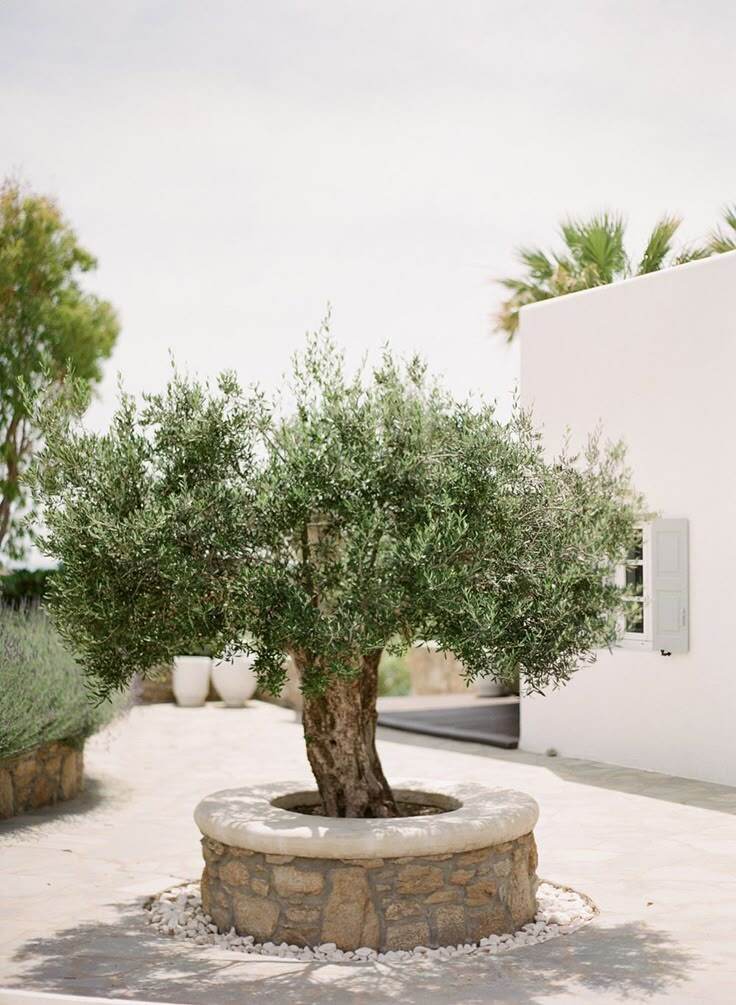
And, of course, native plants such as olive trees, holm oaks, succulents, cacti and Strelitzias.
Conclusion
Outdoor living in Spain is all about simplicity, comfort and enjoying nature, despite the challenges of the hot, dry climate. By strategically designing your garden with sustainable and water-saving elements, you can get the most out of your outdoor space. Choose Mediterranean plants, invest in shady structures and consider protection against mosquitoes, for example. Turn your patio into a cosy, functional space and add water features, atmospheric lighting and outdoor kitchens. This way you can create a place you can enjoy all year round.
A garden is not only an investment in your holiday home, but also in the quality of your outdoor life. In a country with a warm climate, a beautiful garden is a valuable addition, as it will encourage you to spend more time outside. With the right approach, you can create a garden that is both beautiful and practical, with low maintenance – perfect for the warm Spanish climate.

Related Posts
 Tips & Tricks
Step-by-step: creating a My Immofy profile
To log in to your personal profile on immofy.eu, we use a magic link. This is a unique link that you receive by email each time you wish to log in after having logged out of our website.This approach eliminates the need to remember a password while ensuring that your personal data remains secure.
 Tips & Tricks
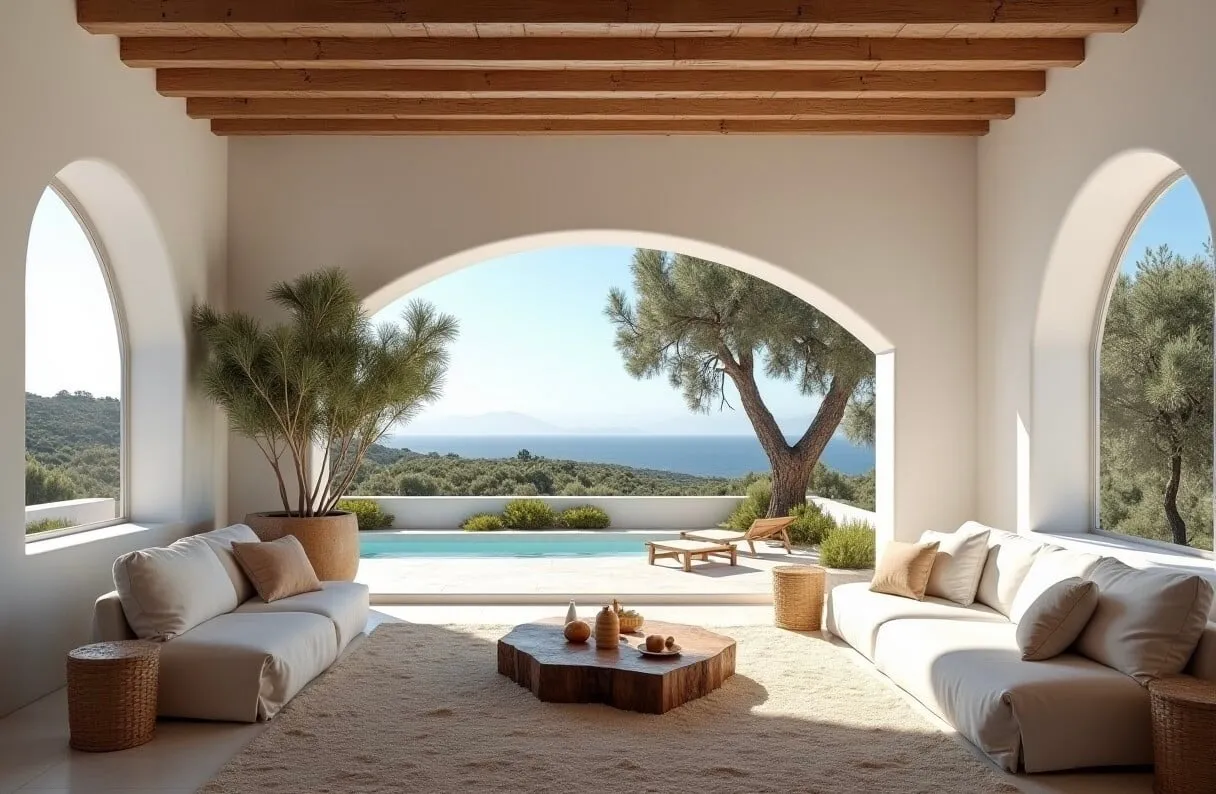
Tips for creating a Mediterranean interior
When you think of an idyllic holiday home, images of sun-drenched days, crystal-clear turquoise water and a relaxed atmosphere quickly come to mind. A Mediterranean or Ibiza-style holiday home offers exactly that: an oasis of calm that reflects the essence of the sun-drenched shores of the Mediterranean. The interior design plays a crucial role in creating the right atmosphere. In this blog you will discover the core principles of designing a holiday home in these two popular styles.
 Tips & Tricks
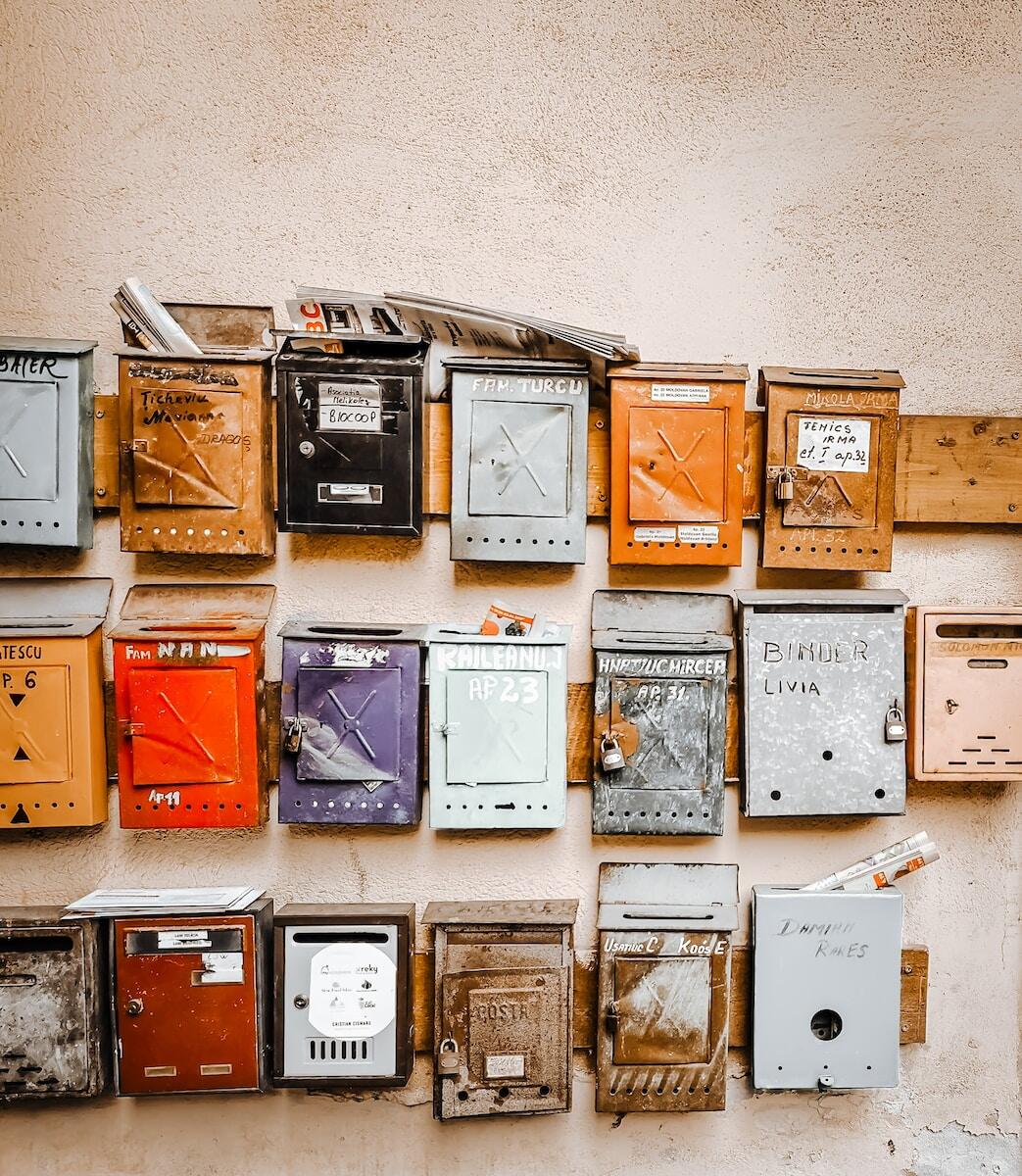
How can you receive your mail in your holiday home in Spain?
A second home in Spain is a dream come true for many people, but receiving mail can be a challenge if you don't live in the country permanently. Beforehand, you often do not realise that the postman in Spain does not always deliver door-to-door as you are probably used to in your own country. This is especially true for urbanisations with detached villas or in the countryside. The distances are simply too great and thus too time-consuming. How do you solve this? Fortunately, there are several wa