
Squatters (‘OKUPAS’) - origins, how to prevent and what has changed recently?
In this article
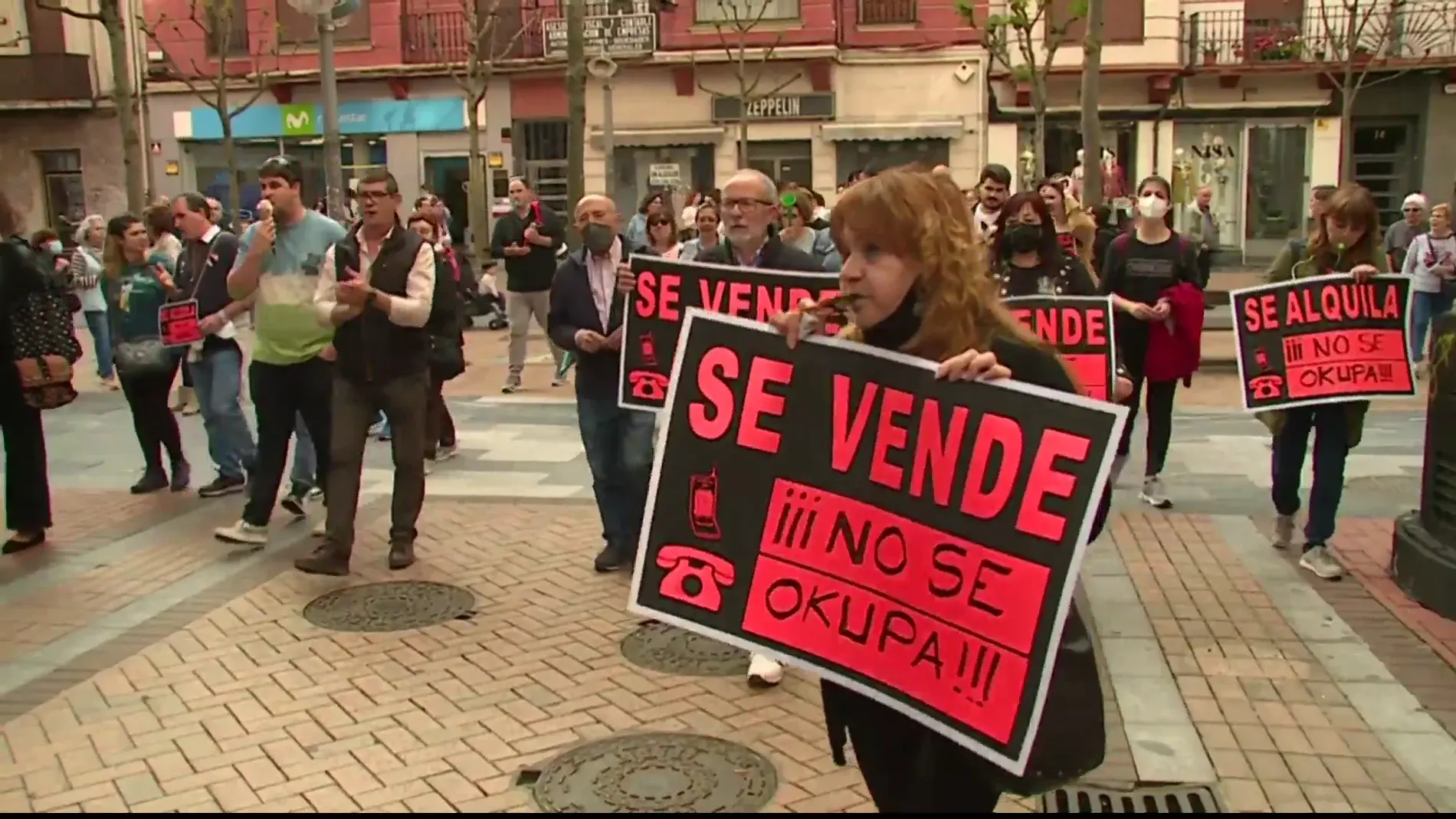
In Spain, squatting is one of the biggest annoyances for homeowners, next to tenants not making their payments. Squatters sometimes see their occupation as a protest or a way to fight against the system, but often it is simply abusing loopholes in the law. For homeowners, it is mostly a source of frustration, loss and legal complications. Especially for people who have worked hard to buy their own property or have their holiday home abroad, occupation by squatters can be the nightmare you would rather avoid.
In this blog, we give you an insight into the origins of squatter ‘culture’, what you can do to prevent squatters AND what has recently changed in legislation, making it less complicated for homeowners to get rid of squatters.
A bit of history, the origins
The ‘right to shelter’ in Spain is enshrined in the 1978 Constitution, adopted after the end of Francisco Franco's dictatorship and with it the transition to democracy. Article 47 of the Constitution recognises the right to housing as a social right, with the government responsible for promoting access to housing. This article states that ‘persons have the right to protection of their housing’ and that the state guarantees the right to housing.
After the adoption of the Constitution, several legislations were passed to further strengthen the right to housing, such as the Ley de Vivienda (Housing Act) and the Ley del Derecho a la Vivienda (Right to Housing Act). These laws gave the government the task of providing affordable housing for citizens, especially vulnerable groups.
Yet the challenge of housing shortage persisted, especially after the real estate crisis of 2008, which led to an oversupply of vacant properties, while many people did not have access to affordable homes. This lack of affordable housing, combined with legal shortcomings, contributed to the growth of the okupas (squatters) problem in Spain.

What exactly is squatting?
Squatting is the unlawful occupation of an empty property without the owner's permission. This can range from a few people temporarily settling in a property to organised groups occupying a property and sometimes even using mafia-like practices to demand ransom for eviction. It is often difficult for homeowners to take quick action because of the inertia of the legal system, but there are ways to protect yourself.


What can you do to prevent squatters from taking your property?
Be careful with housing adsSquatters actively scour the internet looking for unoccupied properties. So it is important to be careful what you publish. Be careful about putting ‘For Sale’ signs in your garden or don't mention that your property is unoccupied in advertisements. If you rely on your neighbours, ask them to check your house from time to time if you don't visit it often.
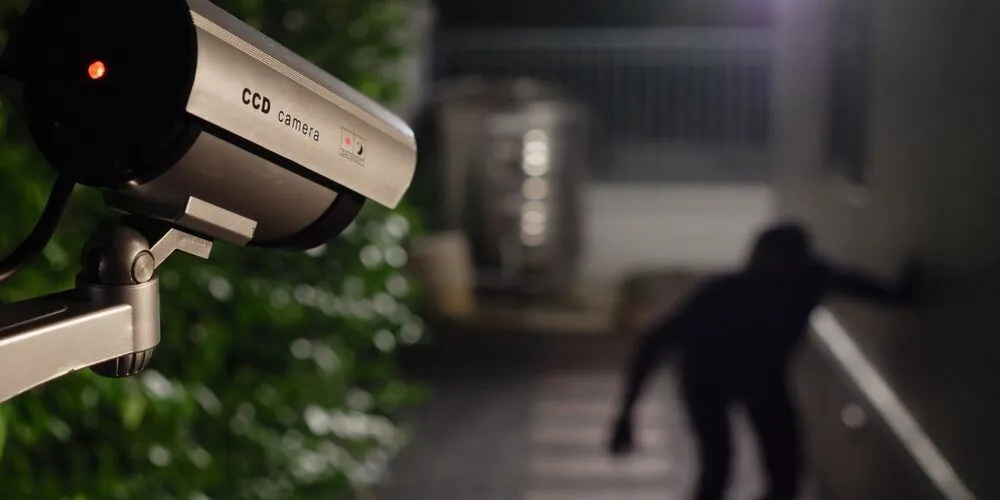
Secure your property properlySquatters pay close attention to whether a property is well secured. They look for security cameras or alarm systems. If your property is well secured, they are more likely to stay away from it. Installing cameras and an alarm system can even help if you catch squatters when they enter the property, especially if you are not permanently present in the property.
Be prepared for advanced squatting techniquesSquatters often have the right tools and techniques to enter a property. They know how to bypass or replace locks and sometimes they even use means to block a door. The sturdier the door, the harder it is for squatters to gain access.
Squatters make it harder to evict them quicklyOne tactic squatters use is to involve several people in the property. They may bring their children or pets with them, making it legally harder to evict them quickly. They also often make sure there are valuables in the property, making it harder to claim theft.
Squatters try to limit damage to get a lower sentenceSquatters try to keep the damage they cause as low as possible (under 400 euros) so that their offence is not seen as a crime, but as a lighter offence. This complicates the legal process and delays eviction.
Leave personal belongings in your propertySquatters sometimes leave their own belongings in a property, such as photo frames or toilet bags, to confirm their presence. This can make it harder for the owner to legally resolve the situation quickly. It can also help if you leave your own personal belongings in a second home to prove that it is occupied.
Squatters drag out legal proceedingsMany squatters try to drag out legal proceedings for as long as possible. They do this by delaying testimonies, ignoring court notifications or filing mass false accusations. Very frustrating and this behaviour can delay the process for months, or even years, making it much harder to get your property back.
New fast-track procedure against squatters approved
Fortunately, legislation has recently been passed that makes it easier to evict squatters from your home faster. The Justice Efficiency Act, passed on the 19th of December 2024, speeds up the legal process for evicting squatters and allows for quick action.
How does the new fast-track justice procedure work?
With the new law, cases of squatting can now be handled much faster. The procedure consists of a number of steps:
Submission of the claim: The homeowner must initiate the lawsuit through a lawyer and notary.
Approval of the claim: About a month after filing, the court decides whether to approve the claim. If the squatters cannot prove that they are lawfully staying in the property, the property will be evicted within five days.
Notification and eviction: The squatters are given a chance to defend themselves, but if they cannot provide valid evidence, the property is evicted on the specified date.
Thanks to this change in the law, the eviction of squatters can be completed within 15 days, which is a huge acceleration compared to the previous situation, where it took an average of two years to evict a squatter. In some regions, it can take even longer.
What happens if a squatter stays longer than 48 hours?
It is often thought that squatters cannot be evicted after 48 hours, but this is not entirely true. The 48 hours applies as a guideline to determine whether there is flagrant trespass, which means that the police can intervene without a court order. However, after the 48 hours, a court order is needed to remove the squatter from the property, which can delay the process. Therefore, it is important to take action as soon as you notice that your property is squatted.

Conclusion
The new law finally allows homeowners to evict squatters faster and more efficiently. However, it is still important to take the right preventive measures to avoid becoming a victim of squatting in the first place.
Make sure you have good security, be careful with housing ads, ask neighbours to keep an eye on you when you are away for a while and act quickly, if you notice your property has been squatted. With the right steps, you can minimise the risk of squatting and get your home back quickly if it does happen.
Tags

Related Posts
 Legal & Legality
New build declaration; what is it and what is it for?
The New Build Declaration (or Declaración de Obra Nueva) is an essential procedure in the real estate sector that allows the construction of a building or dwelling to be formalised in the Property Registry, putting everything in legal order. This process is important not only for the construction of new homes, but also for large, major renovations and/or extensions. In this article, we explain exactly what it entails, why you need it and when to apply for it.
 Legal & Legality
The purchase process of a Spanish home in a nutshell
You have found your dream home in Spain? Fantastic, congratulations! But before you receive the keys, you will have to go through an exciting process. In this blog we will give you a brief overview of the purchasing process so that you know what to expect and are well prepared. Although each process can be unique, the general outline usually remains the same.
 Legal & Legality
Buying a Spanish property in a RESIDENTIAL complex or community
Living in a property in Spain that is part of a community, such as a bungalow, apartment or villa, has both advantages and obligations. It offers access to shared facilities and a well-organised environment, but also comes with community fees, rules and responsibilities. It is important to understand how these communities work before you buy this type of home, so that you are not faced with any surprises later on.