Soft Pink Blossom and Sweet Traditions: Almonds on the Costa Blanca
In this article
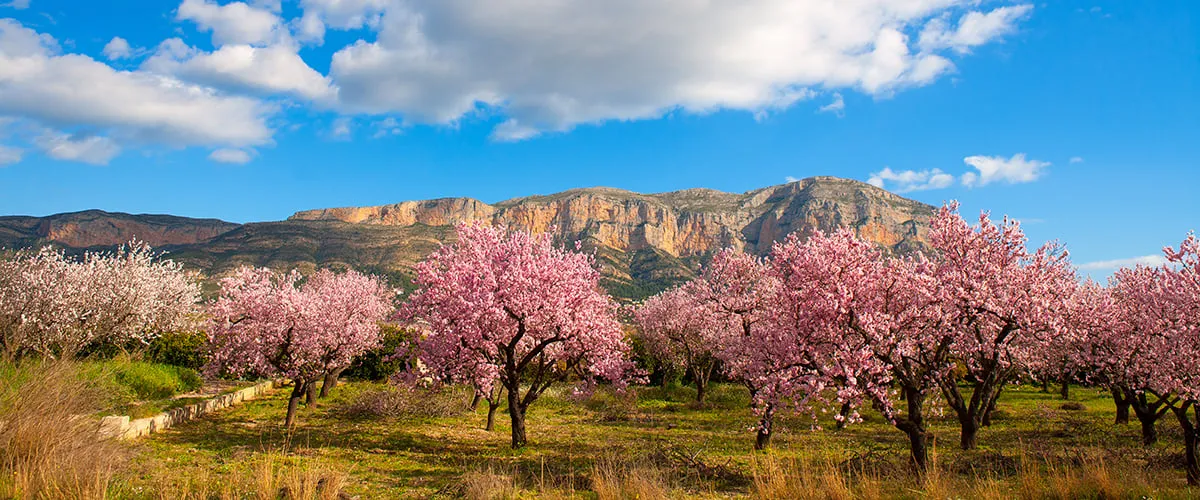
Anyone visiting the northern Costa Blanca in winter and early spring cannot fail to notice it: hills and valleys turn white and soft pink with almond blossom. Around villages such as Jalón, Alcalalí and Benissa, the landscape resembles a fairy tale and marks the beginning of one of the region’s most characteristic products: the almond.
WHEN DO ALMOND TREES BLOOM?
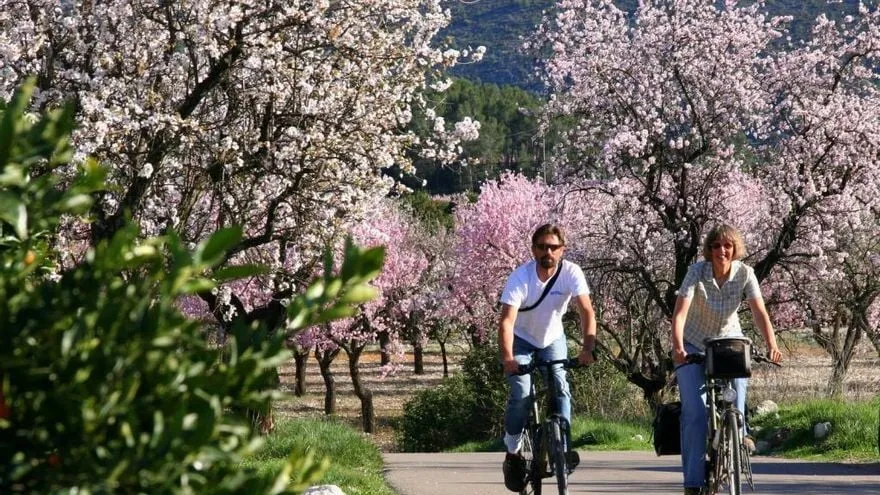
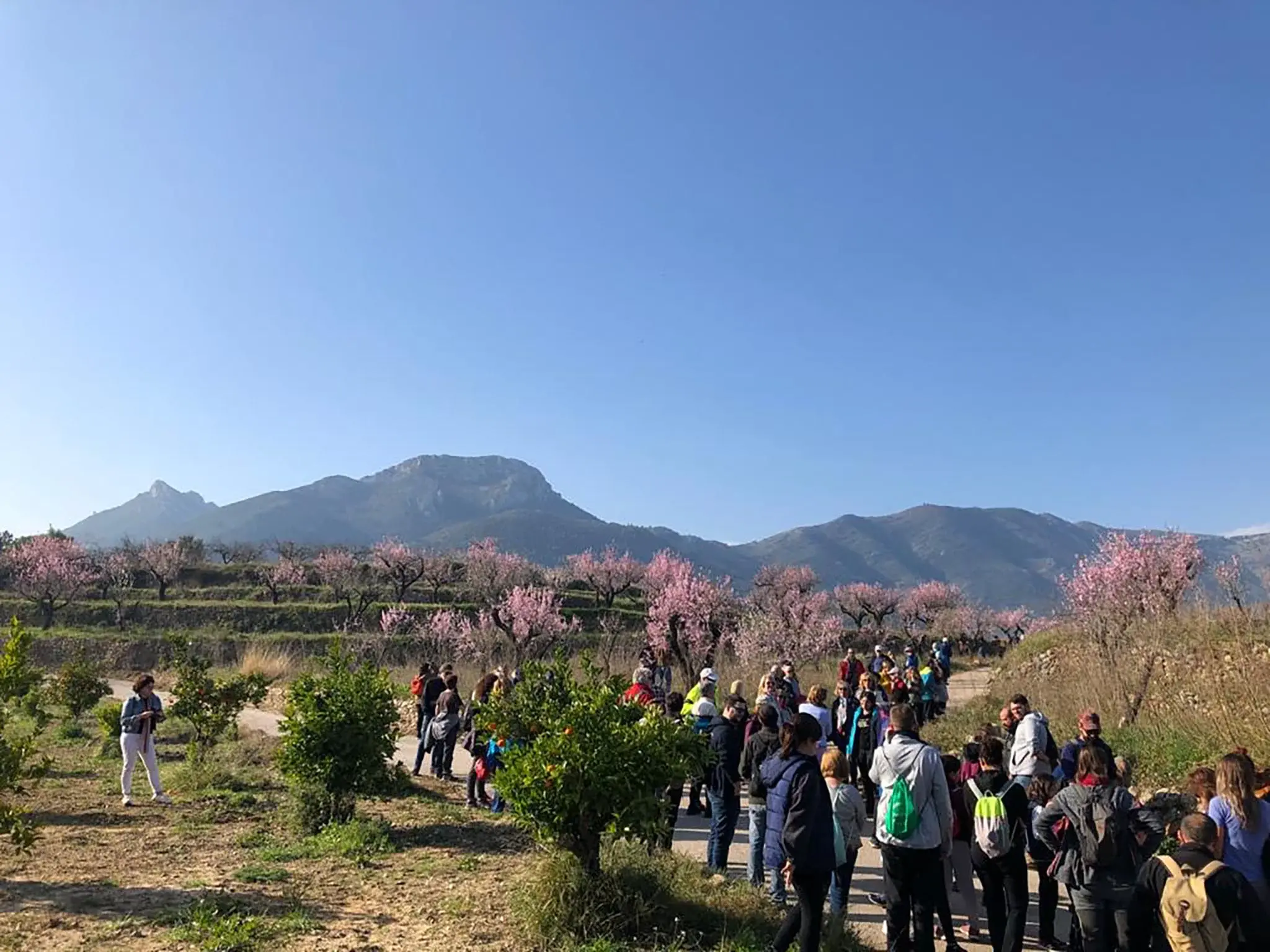
Almond blossom is one of the first signs that spring is approaching. In January – and occasionally even at the end of December during particularly mild winters – the first white and pink flowers appear. February marks the peak of the bloom, when the valleys seem covered in a blanket of delicate blossom. It is a brief yet magical period: a few weeks during which the entire region is filled with colour and fragrance, and quiet roads become popular routes for walkers and cyclists. In the Jalón Valley (Vall de Pop) and especially around the village of Alcalalí, dedicated blossom routes are organised each year.
TYPES OF ALMONDS
Although many varieties exist worldwide, Spain primarily focuses on two types:
Sweet almond (almendra dulce)This is the well-known edible almond, consumed raw, roasted or blanched, and widely used in pastries, nougat and marzipan.
Bitter almond (almendra amarga)This variety naturally contains amygdalin and is therefore not consumed raw. In small quantities, it is used for flavourings, oils and liqueurs.
In the northern Costa Blanca, sweet almonds predominate. They are smaller than Californian varieties but renowned for their rich flavour.
HARVEST SEASON: FROM SUMMER TO EARLY AUTUMN
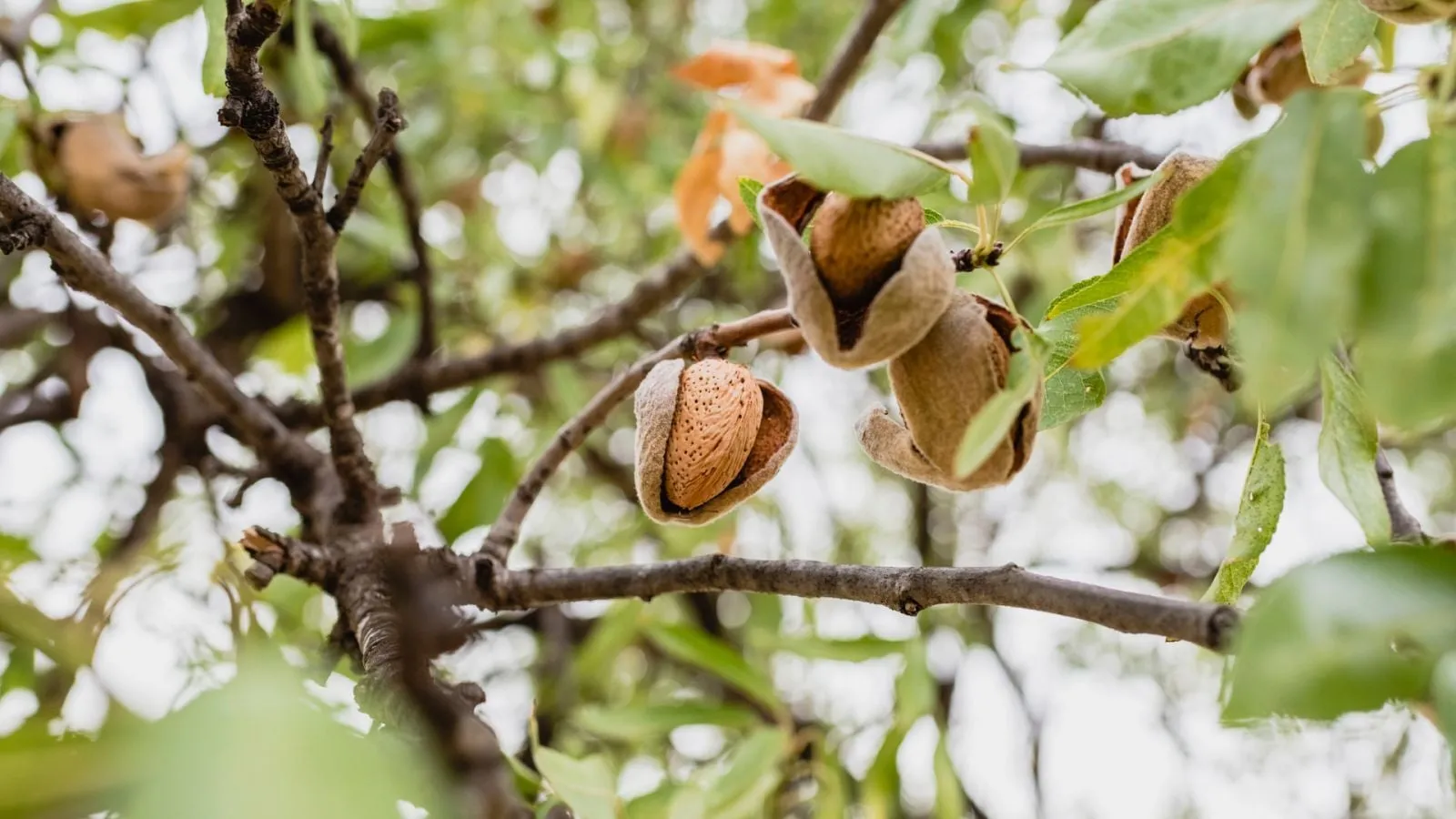
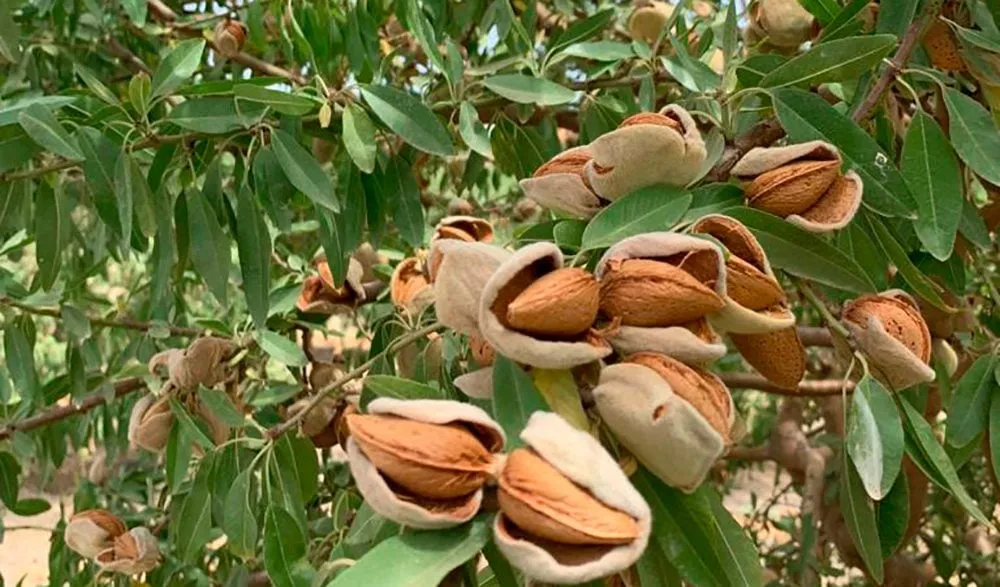
Almond harvesting takes place from August to October, depending on weather conditions and variety. When the green outer hull dries and splits open, it is time to collect the nuts.
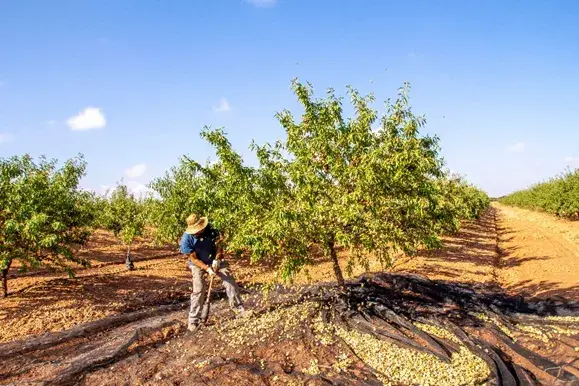
Traditionally, nets are placed beneath the trees, and long poles are used to tap the branches so the almonds fall. The nuts are then gathered, sun-dried and hulled.
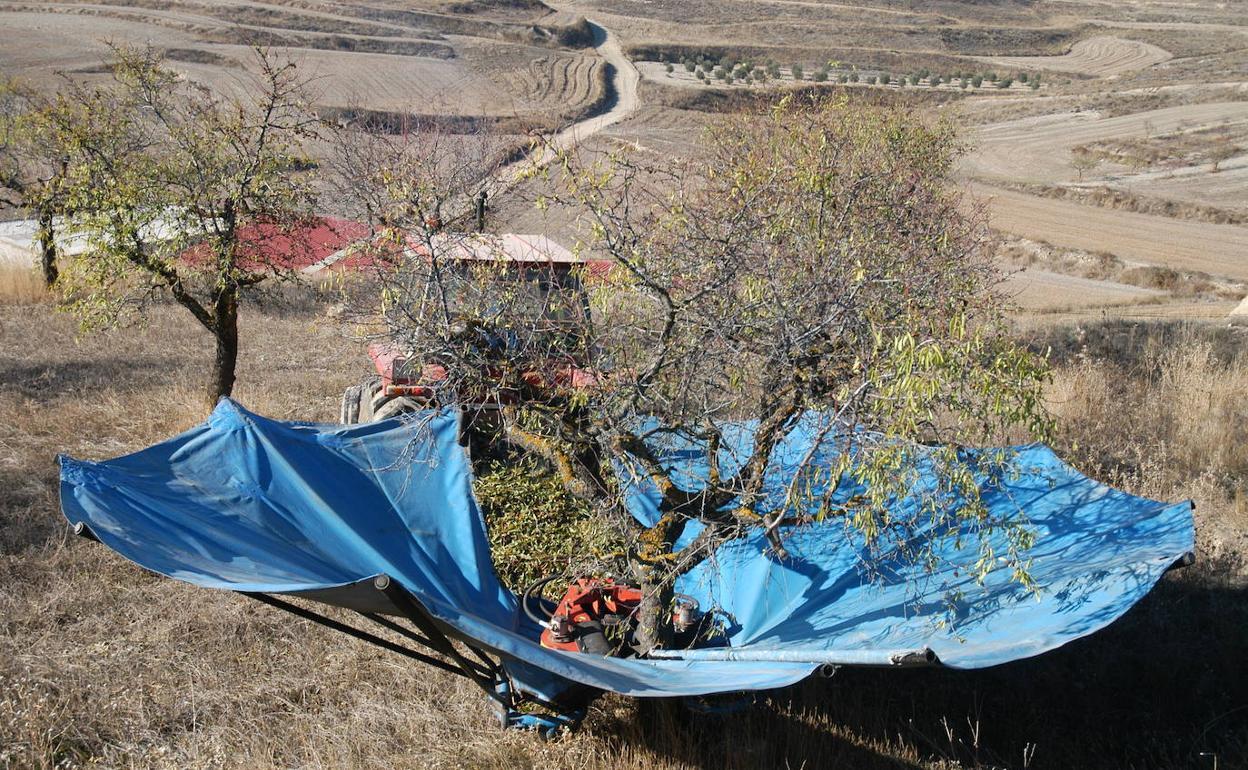
In modern orchards, mechanical shakers are increasingly used. These gently vibrate the trees, allowing the almonds to fall more efficiently. After drying, the hard shells remain and are later mechanically cracked.
FROM SHELL TO KERNEL
Once cracked, the almond kernels are separated and may be eaten raw, roasted, ground into almond flour or pressed into almond oil. Spanish almonds are known for their intense, sweet flavour and are processed locally as well as exported worldwide.
In addition to their flavour, almonds are highly nutritious. They are rich in vitamin E, magnesium, plant-based proteins and unsaturated fats. They help maintain stable blood sugar levels and provide sustained energy. A small handful per day is often recommended as a healthy snack.
WELL-KNOWN SPANISH ALMOND PRODUCTS
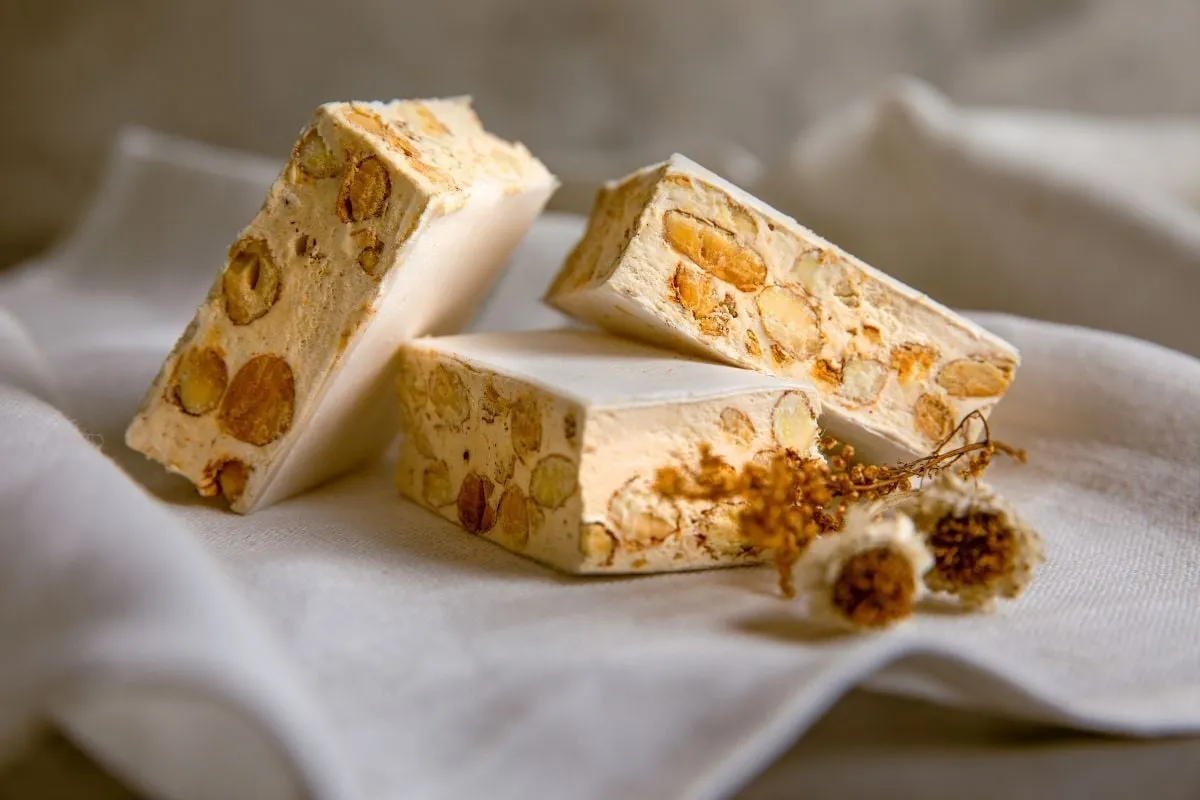
Turrón from Jijona (Xixona) and Alicante
Marzipan
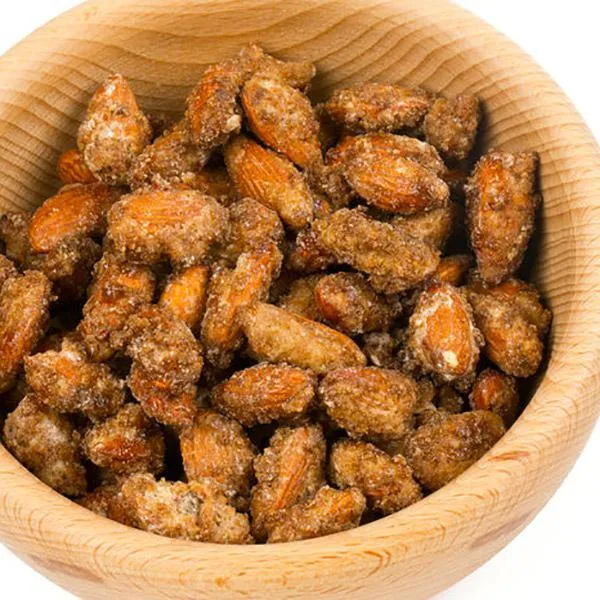
Almendras fritas con miel (roasted almonds with honey)
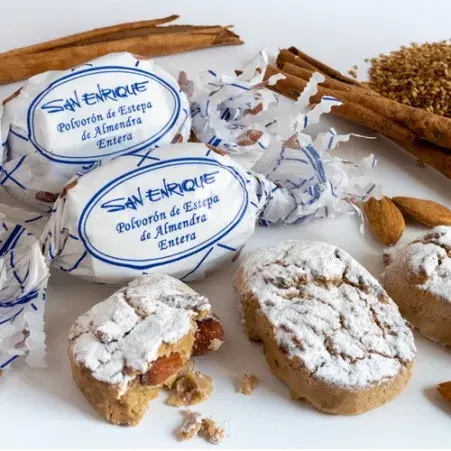
Polvorones (Spanish Christmas biscuits)
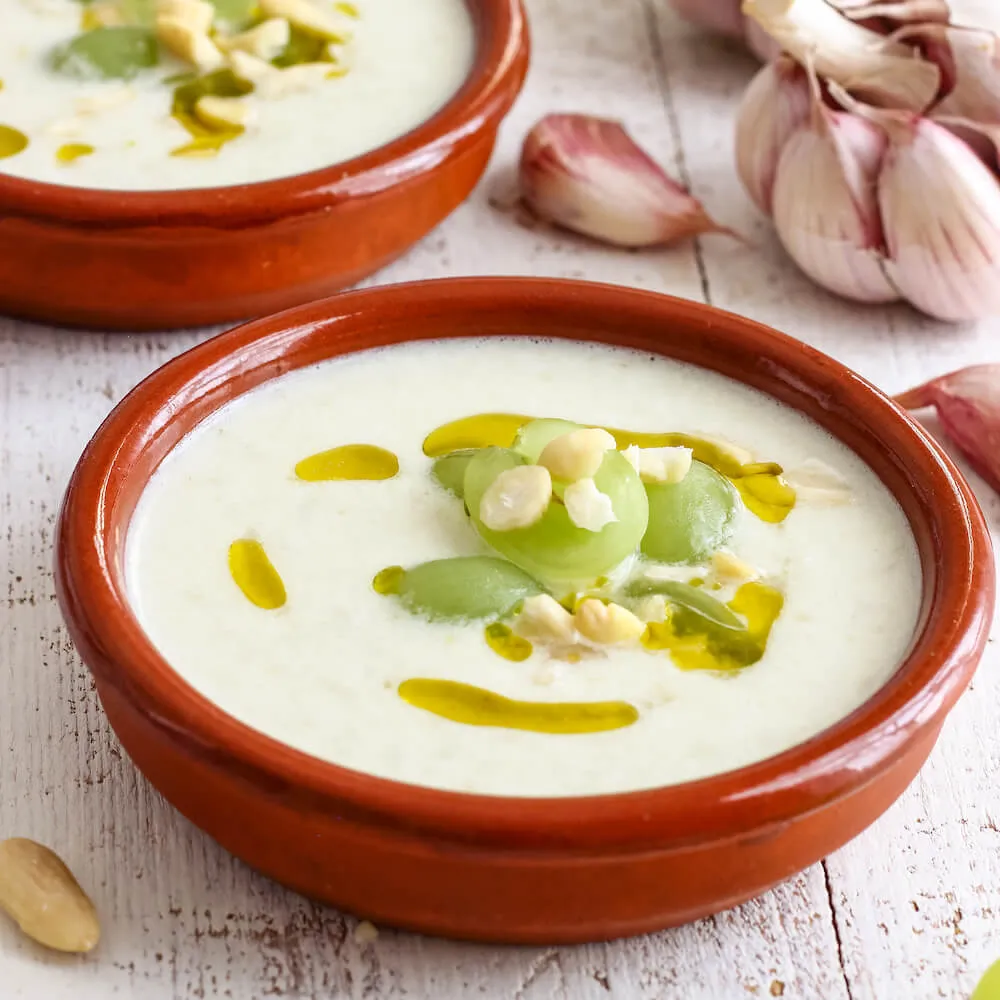
Ajo blanco (cold soup with garlic, almonds and olive oil)
Horchata de almendra (creamy almond drink)
Green olive stuffed with almonds
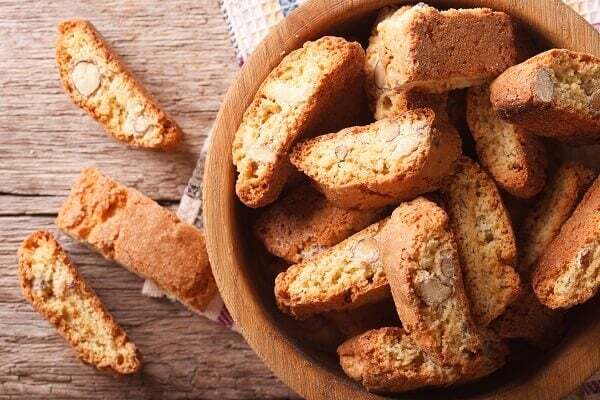
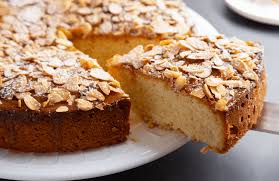
Almond cakes, cookies and biscuits (each village has its own speciality)
WHY ARE ALMONDS FROM THE COSTA BLANCA SO SPECIAL?
Anyone driving through the Jalón Valley or around Guadalest in January or February immediately understands why the almond is such an iconic fruit for this region. The trees have stood here for generations; many orchards have been passed down from grandparents to grandchildren. The warm Mediterranean climate, with long summers and mild winters, allows almonds to ripen slowly and develop a particularly full, sweet flavour.
In recent years, some orchards have been severely affected by the bacterium Xylella fastidiosa. Entire rows of old trees disappeared, and families had to start anew. Yet this period has also demonstrated the strong connection to the land: everywhere, new plantings can be seen – young trees symbolising recovery and perseverance.
Thus, in every almond one tastes not only the sun, the dry mountain air and the limestone-rich soil, but also a story of tradition, resilience and love for the landscape. Almonds from this region are therefore more than a product; they are a living piece of history that blossoms anew each year.
TIPS FOR VISITORS
Visitors during the blossom or harvest season will discover that the almond is also a social event. In villages such as Alcalalí and Jalón, blossom festivals and tours are organised featuring tapas routes themed around almonds, baking competitions, music and guided walks through the most beautiful orchards in bloom. During harvest time, small markets and tastings create a lively atmosphere, with the scent of freshly roasted almonds filling the air.
Those wishing to take almonds home should store them in a cool, dry place in an airtight container. For longer storage, refrigeration keeps them crisp for months, and freezing preserves them for up to a year. Fresh almonds have a light nutty aroma and a crisp texture. If they become soft, stale or develop a greasy smell, they are past their best. However, those familiar with the sweet flavour of Costa Blanca almonds rarely leave them untouched for long.
IN SUMMARY
The almond tree is one of the symbols of the northern Costa Blanca, alongside Moscatel wine and olive oil. From the first blossoms in winter to the fragrant harvest in late summer, it is a product inseparably linked to both the landscape and the cuisine of this region.

Related Posts
 Fiestas & Events
How do people celebrate Christmas in Spain?
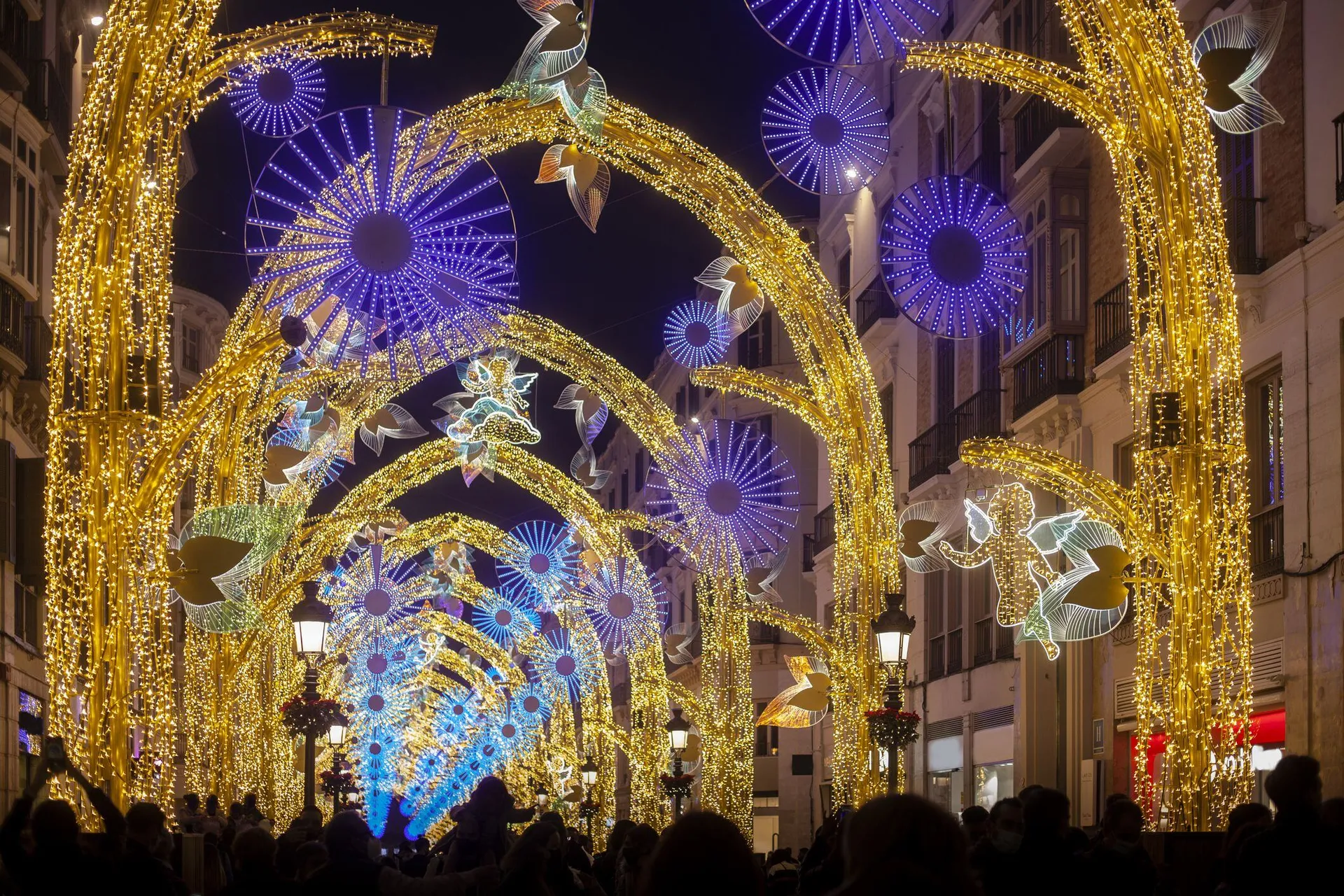
Christmas in Spain: From El Gordo to New Year's Day Christmas in Spain is an enchanting time full of traditions, celebrations and culinary delights. In early December, Christmas cheer already spreads through the streets of cities and towns, where festive lights are hung. Shops are also festively decorated and illuminated. Village squares and city harbours host Christmas markets, where you can enjoy delicious local delicacies such as turrón (nougat), polvorones (crumbly biscuits) and hot chocolat
 Fiestas & Events
Three kings in spain
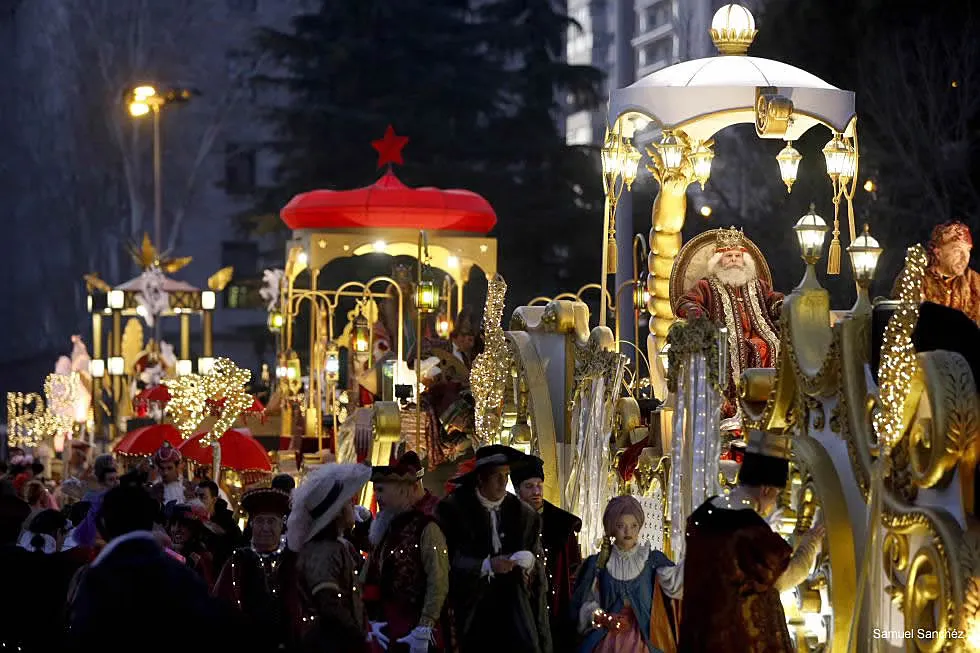
When thinking of iconic celebrations in Spain, the Day of the Three Kings, in Spanish ‘el Día de los Reyes’ or ‘los Reyes Magos’, emerges as one of the most meaningful parts of the Christmas festivities. The streets are lit up with twinkling lights, while the smell of roasted chestnuts hangs in the air and the merry laughter of children serves as background music during this festive period. For children, this feast is extra special; they know that if they have behaved well over the past year, th