
Healthcare in Spain: Seguridad Social and/or Private Insurance
In this article
Spain is known for its good healthcare system, which is both accessible and affordable for residents and foreigners alike. Whether you are a resident of Spain or staying in the country temporarily, it is important to understand how the Spanish healthcare system works and what choices you have in terms of health insurance. In this blog, we will take a closer look at the Seguridad Social, the public healthcare system, and the option of private insurance.
Seguridad Social: The Public Healthcare System
The Seguridad Social is Spain's social security system and it covers health costs as well as pensions, unemployment and other social benefits. Public healthcare in Spain is generally of good quality and is financed by taxes and contributions from working people and employers. The system is accessible to all residents of Spain, both Spanish citizens and foreigners living in Spain.
Who is entitled to the Seguridad Social?
Residents of Spain: Anyone living in Spain and registered with the Seguridad Social is entitled to healthcare through this system. This applies to working people, pensioners, students and the unemployed.
Europeans: European Union (EU) citizens can exercise their right to healthcare through the European Health Insurance Card (EHIC). This provides access to Spanish healthcare, usually at the standard cost.
Non-EU citizens: Non-EU foreigners may have to contribute to the system or buy private health insurance, depending on their residency status.


Benefits of the Seguridad Social:
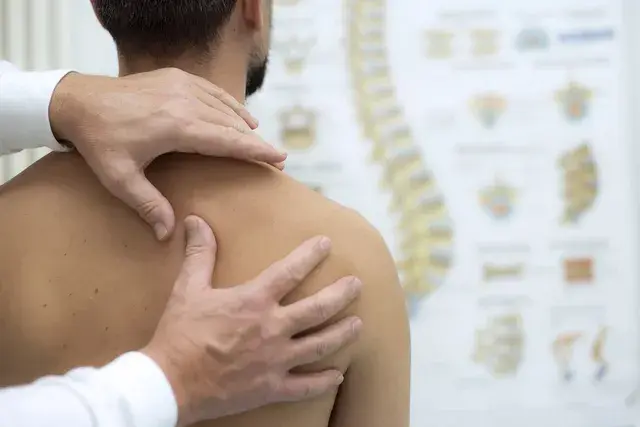
Access to basic healthcare: The system provides coverage for GP visits, specialist care, hospital admissions, medicines and certain medical treatments.
Costs: Costs are relatively low, especially for residents who contribute to the system. Most medical treatments are fully covered or offered at low cost. Medication is provided at a discount.
Quality of care: Spain has a well-developed and reliable healthcare system, with well-trained doctors and generally modern medical facilities.
Disadvantages of the Seguridad Social:
Waiting lists: In some regions of Spain, there can be long waiting times for certain medical treatments or specialist care.
Making appointments: Each town or village has its own ‘dedicated’ GP(s). Especially in rural areas, this means that you are bound to certain times when your doctor practices in ‘your’ village. This can be very inconvenient when scheduling appointments, especially if your place of work and residence are different.
Limited coverage: While the system covers a lot of basic care, there may be restrictions on certain medical treatments that you may have to pay for yourself. Dental costs, for example, are not covered and you will have to pay for them yourself.
Language barrier: Don't simply assume that you will be helped in English at doctors' offices or in hospitals. Are you unsure about the Spanish language? If so, take someone with you who can help you translate.
Private health insurance
Besides public health care through the Seguridad Social, many people may choose to take out private health insurance. This can be especially attractive for foreigners who want quick access to medical care without long waiting times or for those looking for additional coverage.

Benefits of Private Insurance:
Faster access to care: Private insurance can help you get referred to specialists faster and undergo treatments quicker as you do not have to rely on public waiting lists.
Freedom of choice: Private insurance often allows you to choose from a larger number of doctors and hospitals, offering more flexibility than the public system. Always check whether the desired doctor or specialist works with your chosen insurance.
Comprehensive coverage: Private insurance often offers more comprehensive coverage than the Seguridad Social, including dental care, optician visits, physiotherapy and other complementary treatments.
Language barrier: Even at private hospitals, the language of communication is Spanish, however, multilingual staff are generally available to help you communicate with the doctor.
Disadvantages of Private Insurance:
Cost: Private insurance can be considerably more expensive than paying contributions to the Seguridad Social, especially if you opt for a comprehensive policy. Compared to Northern European prices for private insurance, the cost is very reasonable.
Exclusions: Some private insurance policies have exclusions for pre-existing conditions or offer less coverage for certain health problems.

Comparison: Seguridad Social vs private insurance
Which choice is best for you?
The choice between Seguridad Social and Private Insurance depends on your personal situation. If you live in Spain and are registered with the Seguridad Social, the public system offers excellent coverage for most health needs, at low cost. This is often sufficient for many people, especially if you have no special health needs.
However, if you want quick access to care, do not want long waiting times, or need additional services (such as dental care), private insurance may be a good choice. This can also be important if you are an expat or temporarily staying in Spain and do not have direct access to the Seguridad Social.

Conclusion
Spain offers excellent healthcare through the Seguridad Social, but there are certainly advantages to taking out Private Insurance, especially if you need faster care, the right to choose your own doctor (who speaks your language) or additional services. It is important to consider your own healthcare needs and budget before making a decision. Whatever option you choose, you can be confident that Spain offers a very acceptable healthcare system.

Related Posts
 Emigration & Integration
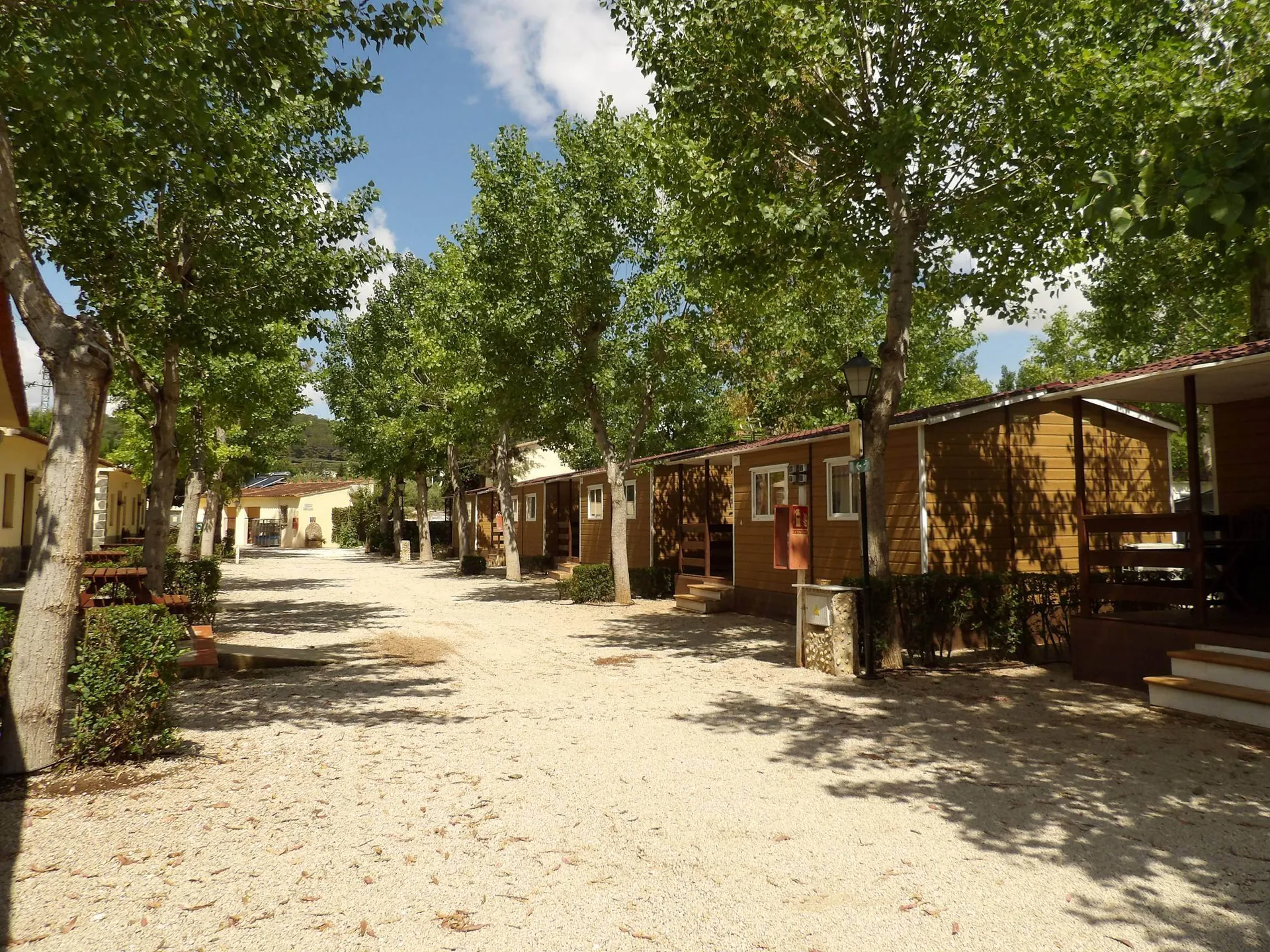
Starting a B&B or campsite on the Costa Blanca, a dream or nightmare?
Do you dream of opening a hotel, a winery, an olive or oil mill or even a golf course on fallow land? You are certainly not the only one, as many people are considering realising their dream and giving their life a new direction.As a property finder, we therefore regularly receive questions about the possibilities and the laws and regulations involved. Therefore, we have tried to provide a concise overview of the complex application procedures you can expect if you decide to realise your dream p
 Emigration & Integration
How do I get a Spanish driving licence?
When you become a Spanish resident, you face a challenging administrative to-do list. One of the items on this list is the conversion of your foreign driving licence to the Spanish driving licence. Do you live in Spain and is your EU driving licence (almost) expired? Then you can no longer renew your driving licence. You can then only exchange your EU driving licence for a Spanish one. In this blog, we give an overview of the regulations on this and mention some other interesting facts about the
 Emigration & Integration
Schools at the Costa Blanca
At Immofy, we understand that moving to Spain means more than just finding a new home, especially for families with children. From experience, we know how important it is to find a good school for your children, and we receive many questions about this during the initial search and viewings by our clients. Therefore, we are happy to share this overview of schools on the Costa Blanca and briefly explain how the Spanish education system works.