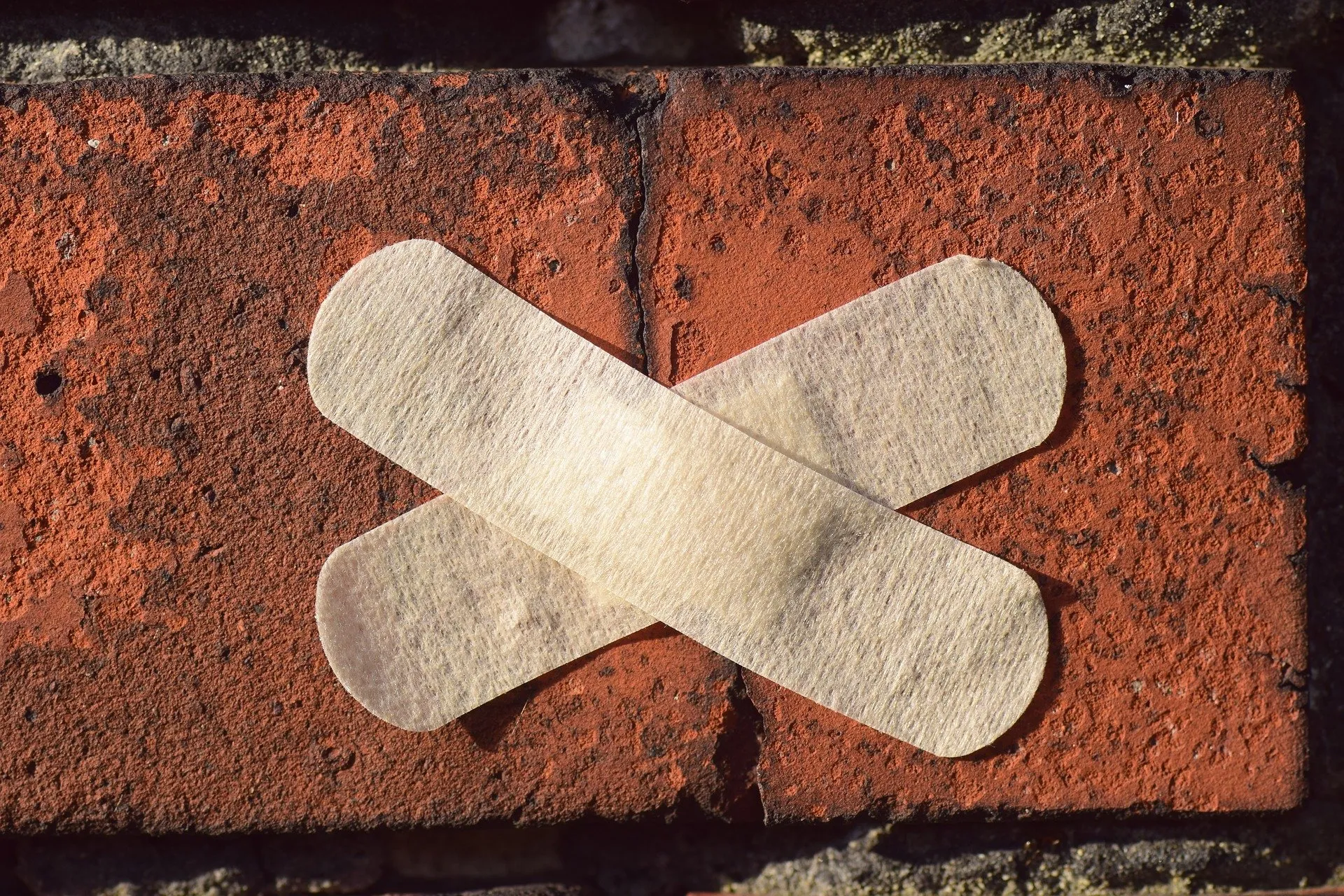
Hidden defects, how does this work in Spain?
You've found your dream home, spent the first night there and you're in the kitchen getting breakfast ready to enjoy it on the terrace in the sunshine..... and there's no hot water coming from the tap. On closer inspection, it turns out that the kitchen boiler is completely rusted. Hidden defect! Or is it not....?
In Spain, the obligation to examine a property before purchase primarily lies with the buying party. The buyer is expected to carry out a reasonable inspection to assess the condition of the property and determine any defects or issues that could affect their purchase decision. This includes examining the operation of installations, such as electricity, plumbing, heating, and air conditioning.
However, it is important to note that, although the primary responsibility lies with the buyer, the seller also has the obligation to disclose all known defects of the property. This also applies to defects that are not immediately visible during a regular inspection. In practice, it is common in Spain to buy or sell a property 'as seen' (como cuerpo cierto), which more or less absolves the seller from any complaints from the buyer's side after the notarial transfer.
To prevent this situation, it is advisable for buyers to request a professional technical inspection of the property before the purchase is finalized. These inspections can provide a more detailed assessment of the condition of the property and its fittings, which can assist the buyer in making an informed decision about the purchase.
In the Valencian Community, as in the rest of Spain, hidden defects refer to issues or faults in a property that are not easily detectable during a standard visual inspection. These defects can include structural issues, hidden moisture damage, electrical or plumbing problems.
The regulation applicable in the Valencian Community concerning hidden defects is laid down in the Spanish Civil Code (particularly in articles 1484 to 1486). These articles stipulate that if a hidden defect is discovered after the purchase of a property, the buyer has the right to file a claim against the seller within 6 months from the discovery of the defect. These defects must be submitted through a report from a competent technician, who indicates what the defects are, and also demonstrating that they were indeed deliberately concealed by the seller.
It is important to note that, should a dispute arise concerning hidden defects, it is advisable to seek specialized legal advice to fully understand the rights and responsibilities of both parties involved in the real estate transaction. Specific details and legal procedures can vary, so it is essential to get the right guidance to effectively resolve the situation. Keep in mind that in most cases it comes down to a lawsuit, the outcome of which is unpredictable, even if one thinks that the hidden defect and the question of guilt has been convincingly demonstrated by the aforementioned report.
CONCLUSION: In Spain, the buyer is primarily responsible for examining a property before the purchase. Although the seller must disclose defects, the property is usually sold 'as is'. It is advisable for buyers to request a professional inspection. In the Valencian Community and elsewhere in Spain, hidden defects are defined and regulated in the Spanish Civil Code. In case of disputes, specialized legal advice is recommended, as even with evidence of defects, the outcome of a lawsuit can be unpredictable.
Tags

Related Posts
 Legal & Legality
New build declaration; what is it and what is it for?
The New Build Declaration (or Declaración de Obra Nueva) is an essential procedure in the real estate sector that allows the construction of a building or dwelling to be formalised in the Property Registry, putting everything in legal order. This process is important not only for the construction of new homes, but also for large, major renovations and/or extensions. In this article, we explain exactly what it entails, why you need it and when to apply for it.
 Legal & Legality
The purchase process of a Spanish home in a nutshell
You have found your dream home in Spain? Fantastic, congratulations! But before you receive the keys, you will have to go through an exciting process. In this blog we will give you a brief overview of the purchasing process so that you know what to expect and are well prepared. Although each process can be unique, the general outline usually remains the same.
 Legal & Legality
Buying a Spanish property in a RESIDENTIAL complex or community
Living in a property in Spain that is part of a community, such as a bungalow, apartment or villa, has both advantages and obligations. It offers access to shared facilities and a well-organised environment, but also comes with community fees, rules and responsibilities. It is important to understand how these communities work before you buy this type of home, so that you are not faced with any surprises later on.