The Property Register in Spain - What is it, and what is it for?
In this article
If you are planning to buy a house in Spain, it is good to know what the Property Register is and why it is so important. This is because this register plays a crucial role in ensuring legal certainty when buying property and it helps you avoid running into legal problems.
First, what is the difference between the Land Registry and the Property Register?
The terms ‘Land Registry’ and ‘Register’ are often mixed up. In the Netherlands, for example, there is the Kadaster (Land Registry), which lists information about property that in Spain is in the Registro de la Propiedad (Property Register). Below is a brief explanation of both Spanish terms so that it is clear what we are talking about in this blog:
THE CATASTRO:
The ‘Catastro ’ is an administrative register managed by the Spanish Tax Agency (Agencia Tributaria) and mainly concerns the tax-administrative aspects of real estate. The purpose of the Catastro is to provide a detailed geographical and administrative basis for tax purposes, such as the calculation of property tax (IBI) and other taxes related to property.
THE PROPERTY REGISTER:
The ‘Registro de la Propiedad ’ is an official, legal register that records ownership and other rights related to property (such as mortgages, easements, transfers of ownership, etc.). It has a public character and provides legal certainty about the ownership of real estate. The purpose of the register is to protect the rights of the owner and make it clear who owns a particular property.
In this blog, we take a closer look at the role of the Property Register.
What exactly is the Property Register and why consult it?
The Property Register is a public register that records information about who owns a particular property, and what rights are attached to that property. If you want to buy a property, it is absolutely recommended to consult the Property Register. There, you can check whether the person you are buying from is really the owner, whether there are any outstanding debts on the property (such as a mortgage or an outstanding loan) or whether there might be any legal issues with the property. This could include things like attachments or other rights in rem. The Property Register ensures that everything is official and transparent, so you can be sure that the person you are buying from actually owns the property.
In Spain, the Register is managed by officials working under the Ministry of Justice. They register all kinds of legal acts related to property, such as the transfer of ownership, mortgages, or court decisions. Its purpose is to ensure that real estate is traded in a fair and lawful way.
How does the Property Register work?
Each Property Registry is linked to a specific geographical area in Spain. They work with a system of ‘register folios’ - which are documents recording the history of a particular property. Every time there is a change in the ownership situation or a new right is established (e.g. a mortgage), this is noted in the register.
For example, when you buy a house, this right of ownership is recorded, and a new ‘folio’ is created with your name as the owner. This way, you can be sure that your property is officially recorded and legally protected.
What do you need to know about registration principles?
There are a number of important principles that govern the operation of the Property Register:
Publicity principle: This means that all registered information is public, so that anyone with a legitimate interest can view the data.
Legality principle: Only valid acts are registered. If a document is not in order, the official can refuse to register it.
Legitimacy principle: Once something is registered, it is assumed that the registered information is true and that the person who has the right is actually the owner.
Principle of opposability (primacy): If there is a conflict over ownership, the person whose right was registered first takes precedence.
Principle of public trust: This principle protects third parties who buy property in good faith. Once a property is registered, it is deemed to be correct, even if it later turns out that there were mistakes.
Principle of rogering: The registrar acts only at the request of the person concerned (e.g. the buyer or seller). He records something only if requested or if there is a court order.
Principle of sequential path: Registrations form a continuous chain. Each new registration builds on the previous one. Sometimes there may be exceptions where a registration takes place without prior registration.
Is registration mandatory?
It is not mandatory to register a property, but it is strongly recommended. This is because if you do not have a registration, you have little legal protection. For example, suppose your property is not registered, someone else may ‘sell’ your property without your knowledge, or it may be seized for debts the previous owner had.
How long does it take for the Property Registry to register a property?
After submitting the documents, it takes about two to three months, before the registration is completed. The Property Registry official has to check the documents and make sure everything is in order before the property is officially transferred to your name. If anything is wrong with the documents, you or your legal representative will receive a message explaining what is missing or incorrect.
After registration in the Property Register, the Register officially notifies the Land Registry of the new owner of the property (connected to municipality for tax purposes, known as SUMA).
How can you consult the Property Register?
The Property Register is open to the public, provided the person in question can claim a legitimate interest. A nota simple can be requested online (with a firm digital or as a subscriber), being a summary of the data contained in the register about a particular property. This costs about €10 and the data is usually provided within a day. If you are looking for information about someone else's property, you can request a so-called ‘location note’, which allows you to see which properties a person or company owns in Spain.
What is the cost of registration?
The cost of registering a property in the Property Register depends on the value of the property and the region in which it is located. These costs are calculated based on the value assigned to the property in the official documents.
What happens if you do not register a property?
If you do not register the property, you are not officially recognised as the owner. This means you have little legal protection, and you risk, for example, someone else selling the property without your permission, or creditors seizing the property from the previous owner.
Where should you be for your Property Register?
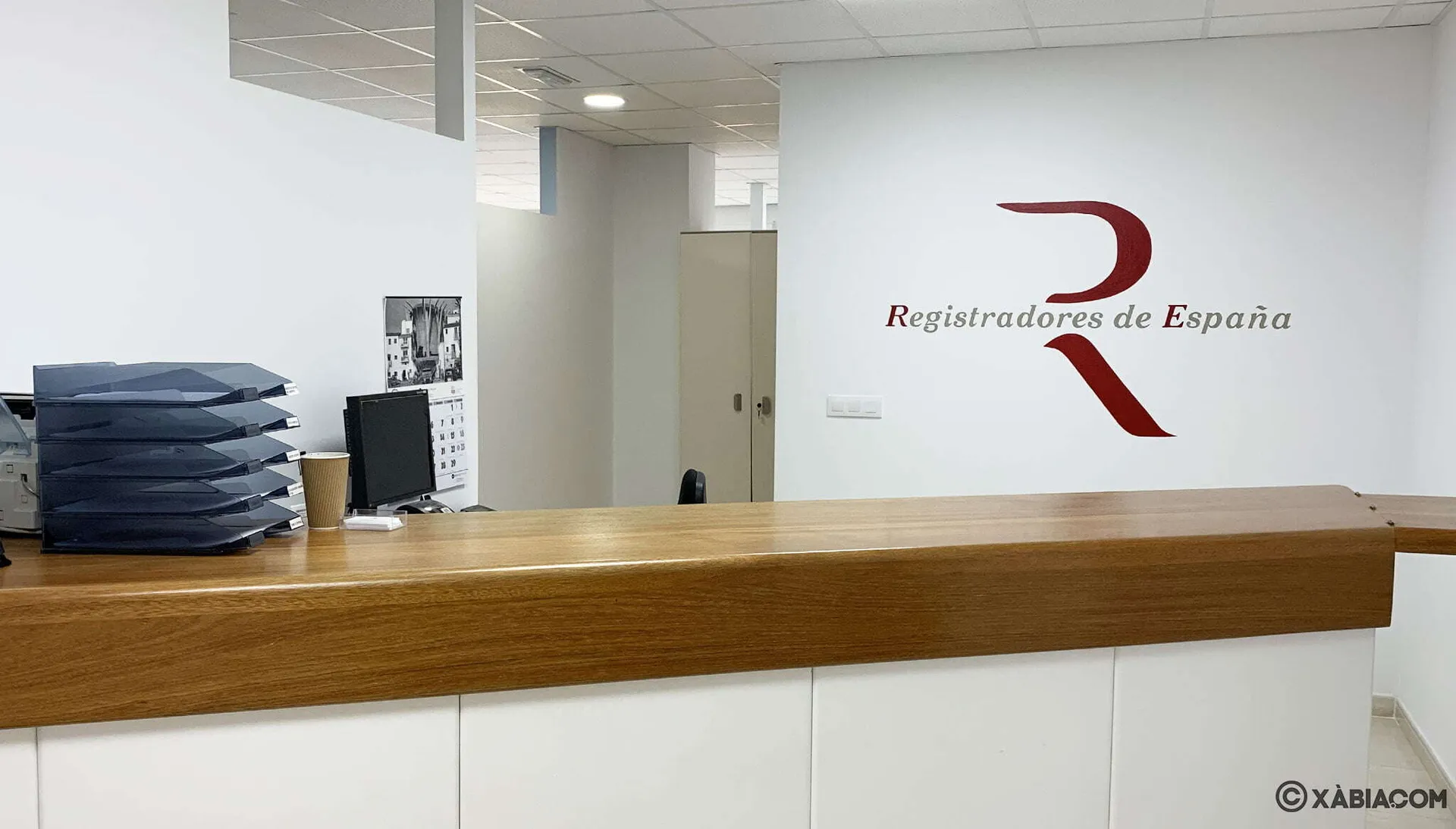
Spain is divided into several mortgage districts, and each district has its own property register. You can check the Registradores de España website to see which district applies to the property you want to buy.
The essential role of a lawyer in checking the Property Register
In conclusion
The Property Registry is thus a crucial tool to ensure that real estate transactions are conducted in a fair and legal manner. Whether you are a buyer or seller, it provides the necessary legal certainty and prevents future problems.
However, it is always wise to hire a lawyer to guide you in checking the property in the register and help you avoid legal pitfalls. After all, Spain has a different legal system than you are used to in your own country and thorough legal knowledge of property transactions is indispensable. So you can make the important decision about buying or selling property in Spain with peace of mind!
Tags

Related Posts
 Legal & Legality
New build declaration; what is it and what is it for?
The New Build Declaration (or Declaración de Obra Nueva) is an essential procedure in the real estate sector that allows the construction of a building or dwelling to be formalised in the Property Registry, putting everything in legal order. This process is important not only for the construction of new homes, but also for large, major renovations and/or extensions. In this article, we explain exactly what it entails, why you need it and when to apply for it.
 Legal & Legality
The purchase process of a Spanish home in a nutshell
You have found your dream home in Spain? Fantastic, congratulations! But before you receive the keys, you will have to go through an exciting process. In this blog we will give you a brief overview of the purchasing process so that you know what to expect and are well prepared. Although each process can be unique, the general outline usually remains the same.
 Legal & Legality
Buying a Spanish property in a RESIDENTIAL complex or community
Living in a property in Spain that is part of a community, such as a bungalow, apartment or villa, has both advantages and obligations. It offers access to shared facilities and a well-organised environment, but also comes with community fees, rules and responsibilities. It is important to understand how these communities work before you buy this type of home, so that you are not faced with any surprises later on.