Three Kings in Spain
In this article
When thinking of iconic celebrations in Spain, the Day of the Three Kings, in Spanish ‘el Día de los Reyes’ or ‘los Reyes Magos’, emerges as one of the most meaningful parts of the Christmas festivities. The streets are lit up with twinkling lights, while the smell of roasted chestnuts hangs in the air and the merry laughter of children serves as background music during this festive period. For children, this feast is extra special; they know that if they have behaved well over the past year, they will receive many presents from the Three Kings!
The Epiphany feast is similar to the Sinterklaas feast in the Netherlands and Belgium. But what is the origin of this feast and how is it celebrated in Spain?
Who are the Three Kings?
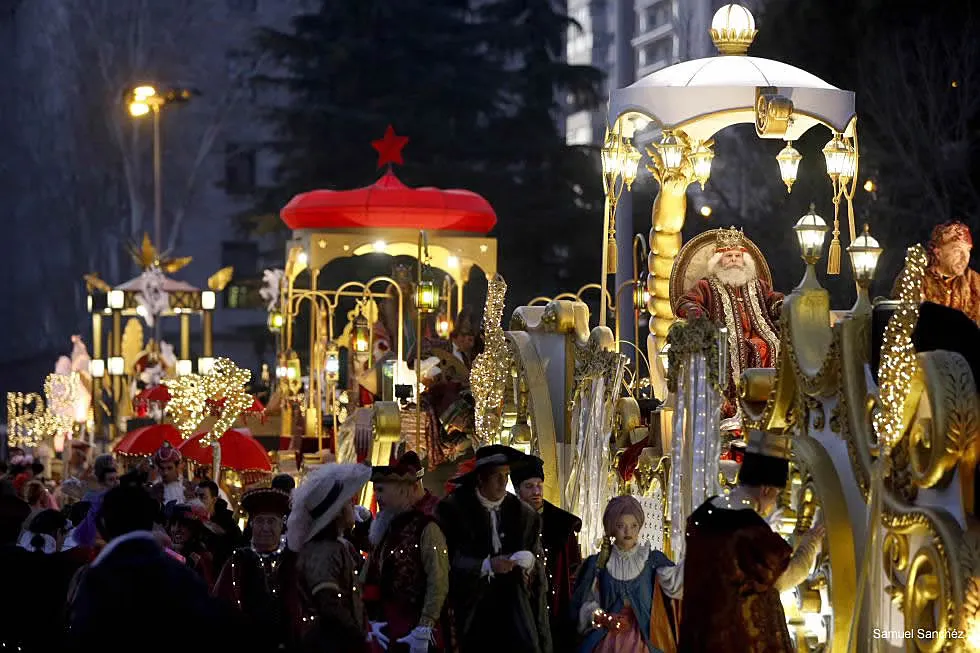
The Three Kings, or ‘The Three Wise Men’, originate from the biblical story in which three Wise Men, guided by a star, travelled from the East to Bethlehem to admire the newborn baby Jesus. In Spanish tradition, they are referred to as Melchior, Caspar and Balthasar, each coming from different parts of the world. These Magi brought valuable gifts: myrrh from Melchior, frankincense from Caspar and gold from Balthasar, symbols of respect and significance. The arrival of the Magi is celebrated with enthusiasm and joy throughout Spain.
The Living Nativity scene
Several towns along the Costa Blanca host the Living Nativity scene, a theatre play that tells the story of the birth of Jesus. This event, in which live actors participate, offers families and visitors the chance to dive deep into the biblical story and reminds us of the true meaning of Christmas and the Three Kings.
When do they celebrate it?
The Epiphany is celebrated annually on 6 January, a bank holiday in Spain.
Preparations and the Parade
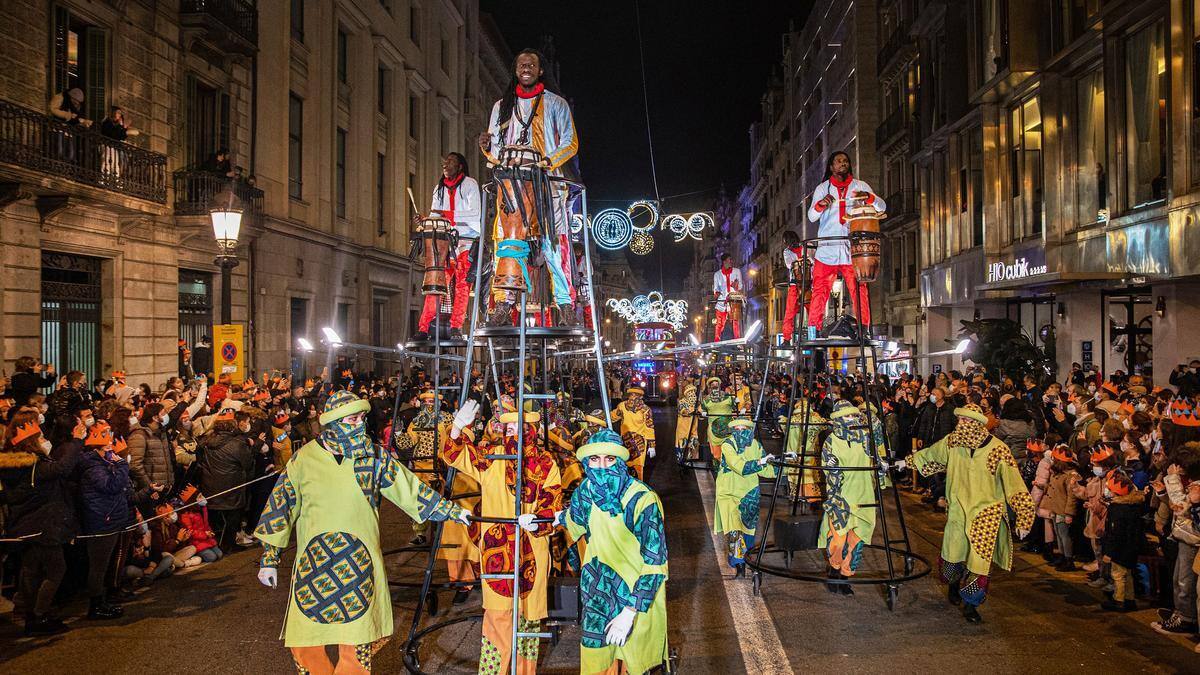
The festivities begin with the children writing a letter to the Three Kings, stating their wish list of gifts. By 5 January, the letters must be handed in during the Three Kings Parade, so that the Magi know what each child wishes for when they deliver the presents to the houses. During this Parade, the Three Kings are welcomed and receive the keys to all Spanish households. Melchior, Gaspar and Balthasar pass through the streets on beautiful floats, dressed in traditional costumes, and their helpers throw sweets and small gifts to the eager children who greet them. Be prepared for surprises, as live animals are also sometimes part of this parade, such as a camel or a donkey!
And then it is finally January 6....
On the evening of 5 January, children put their little shoes in the living room, along with treats for the Three Kings and their camels. On 6 January, they hope to wake up to a living room full of presents: toys, books, clothes or, if they have not behaved well, coal! Later in the day, they often visit relatives, where even more gifts await them.
Adults also join in the revelry by exchanging gifts, making Epiphany a big gift-giving party for everyone. Generally, children get their biggest presents on Epiphany, unlike Christmas, as in other parts of Europe.
What do people traditionally eat on this day?
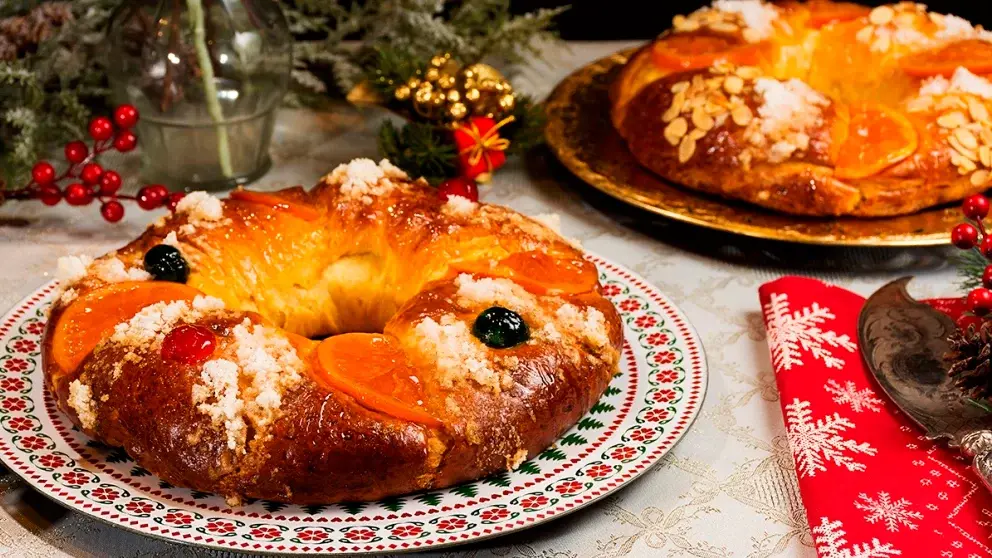
An important delicacy during Epiphany is the roscón de reyes, a round pastry with an airy crust in the shape of an ‘o’, often decorated with candied fruit. The roscón is filled with whipped cream or other flavours and contains a bean and a small figure of a king. According to tradition, whoever finds the bean is responsible for the following year's roscón, while whoever finds the figure is crowned the King of Kings (the baker often adds a paper crown).
This pastry is traditionally served on 6 January, and lunch during Epiphany is as festive as Christmas dinner with several courses.
Conclusion
The Day of the Three Kings, or ‘Dia de los Reyes’, is a colourful and festive highlight within Spanish Christmas traditions. This special celebration unites families in an atmosphere of joy, with lively parades, the exchange of gifts and the traditional ‘roscón de reyes’ cake.
The celebration reminds us of the value of sharing and connection and ensures that both children and adults enjoy this magical time. The spirit of the Three Kings remains a source of joy and togetherness no matter where in the world you celebrate it.
Tags

Related Posts
 Fiestas & Events
Soft Pink Blossom and Sweet Traditions: Almonds on the Costa Blanca
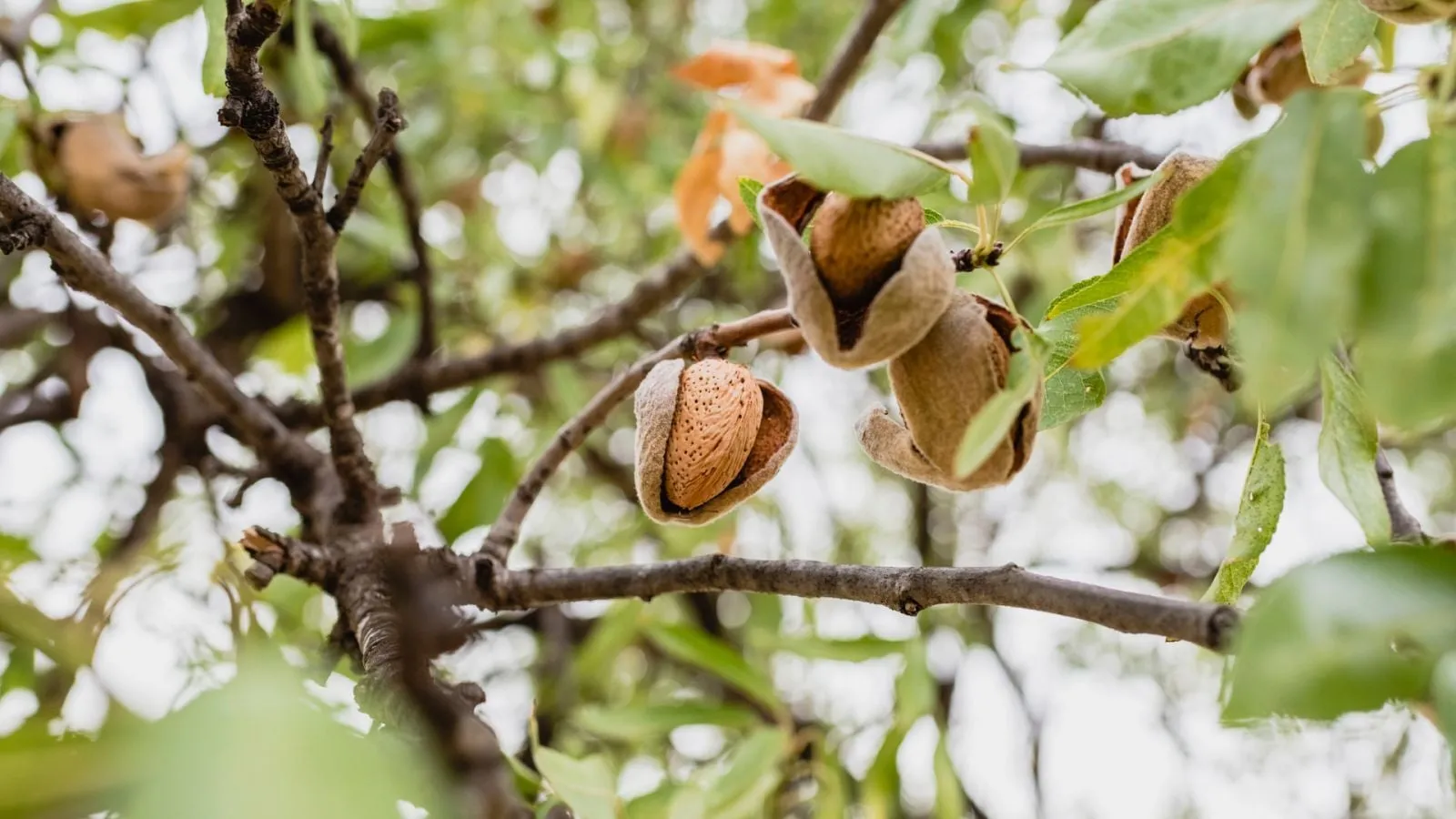
Anyone visiting the northern Costa Blanca in winter and early spring cannot fail to notice it: hills and valleys turn white and soft pink with almond blossom. Around villages such as Jalón, Alcalalí and Benissa, the landscape resembles a fairy tale and marks the beginning of one of the region’s most characteristic products: the almond.
 Fiestas & Events
How do people celebrate Christmas in Spain?
Christmas in Spain: From El Gordo to New Year's Day Christmas in Spain is an enchanting time full of traditions, celebrations and culinary delights. In early December, Christmas cheer already spreads through the streets of cities and towns, where festive lights are hung. Shops are also festively decorated and illuminated. Village squares and city harbours host Christmas markets, where you can enjoy delicious local delicacies such as turrón (nougat), polvorones (crumbly biscuits) and hot chocolat